Heinrichs Messtechnik
NSC
Level
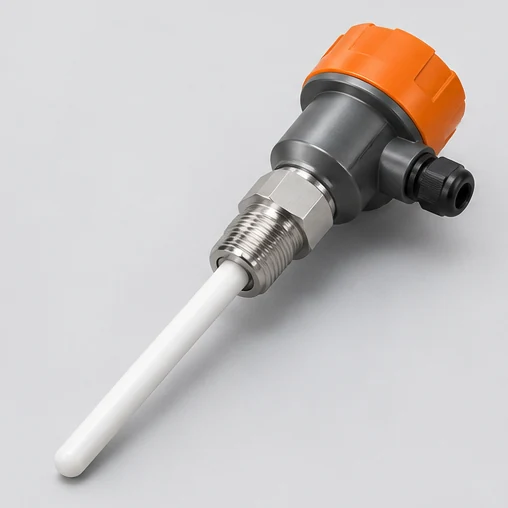
Identify the vessel height, nozzle position and surface conditions. A point alarm and a continuous level reading require different outputs.
For an installed instrument, copy the complete ordering code and its suffixes from the nameplate. Identify the part that will remain in service and the part that needs to be replaced. A photograph of the connection face or terminal markings helps resolve differences between versions that share the same housing.
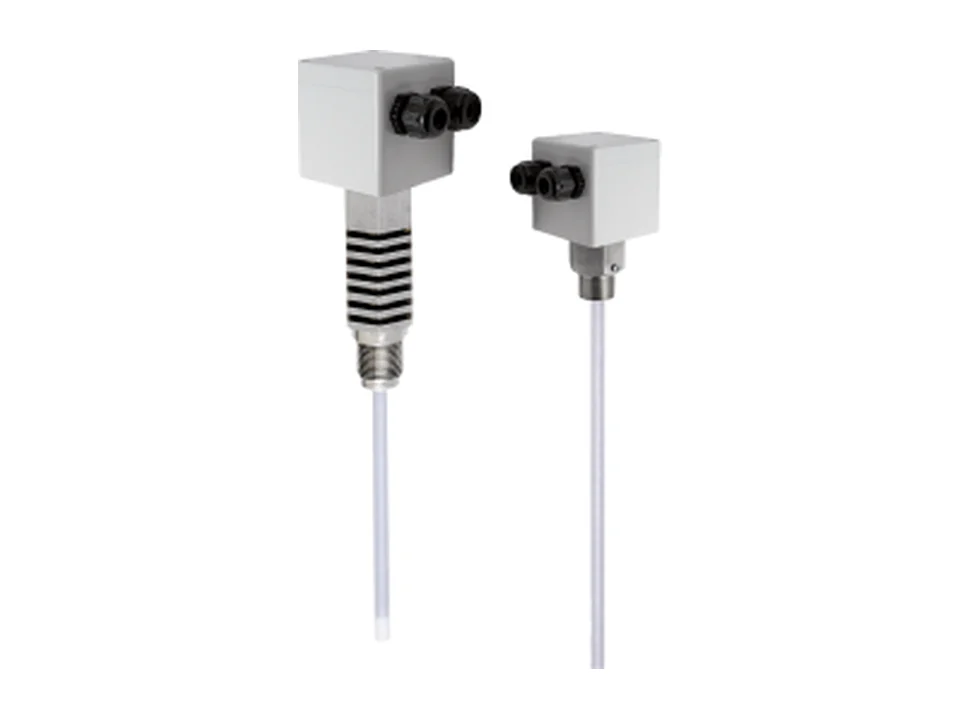
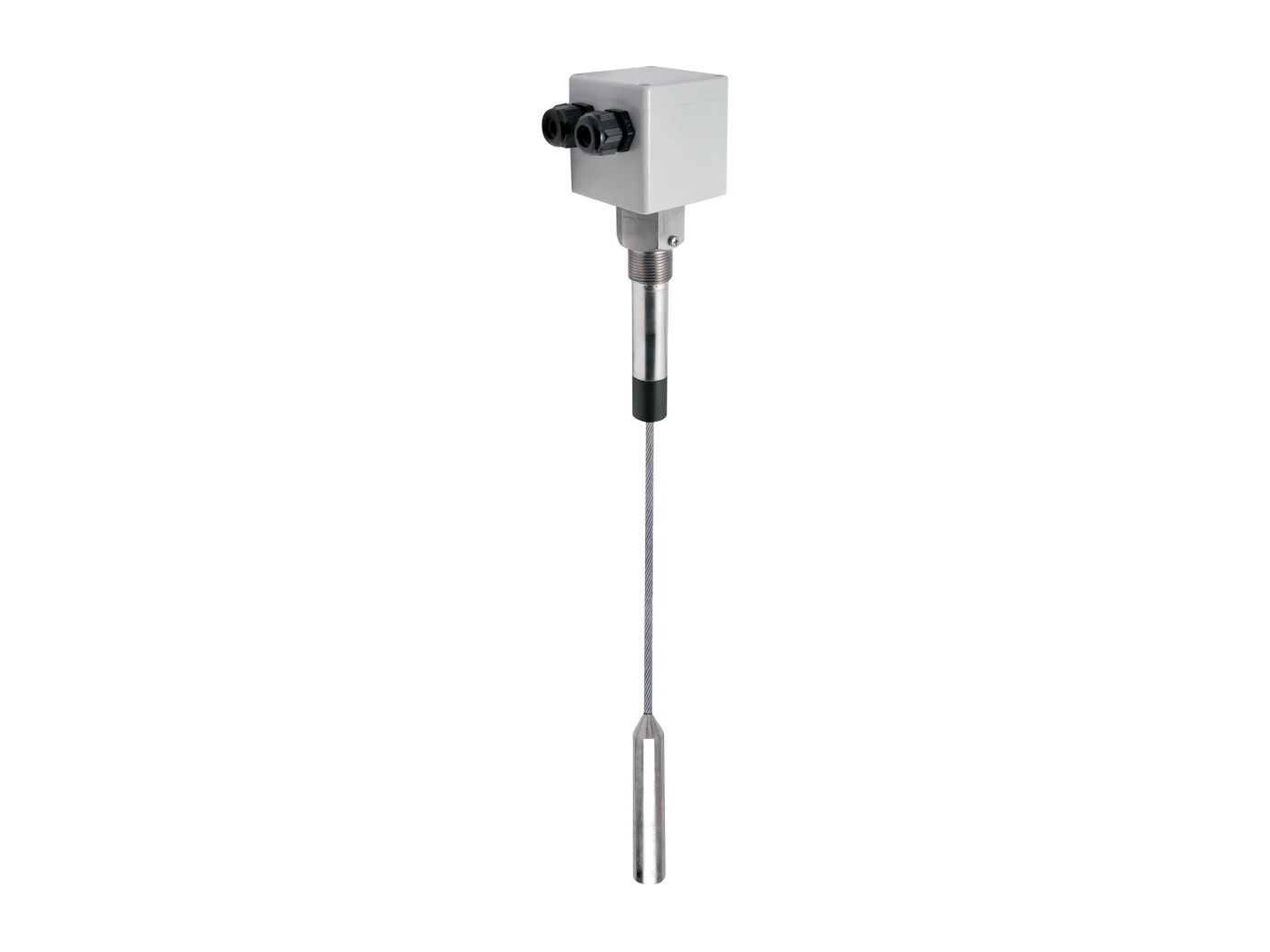
For Capacitive level sensors, the reference values on a nameplate or drawing help identify the correct variant. Typical markings include pF · mm.
For a new installation, describe what the instrument must measure or control and where the reading will be used. Give the normal operating conditions separately from short peaks. Include units with every numerical value. A drawing with the available space, orientation and access for removal gives the supplier a practical starting point.
Identify the vessel height, nozzle position and surface conditions. A point alarm and a continuous level reading require different outputs.