ELGAS s.r.o.
EDT 101
Temperature
Pyrometers & thermal cameras
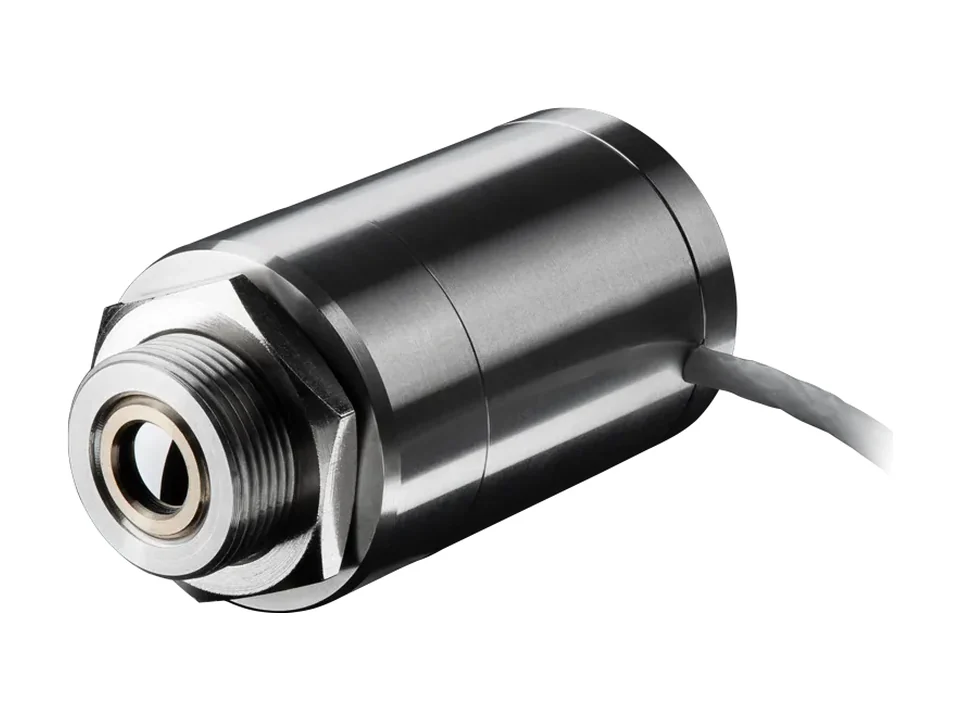
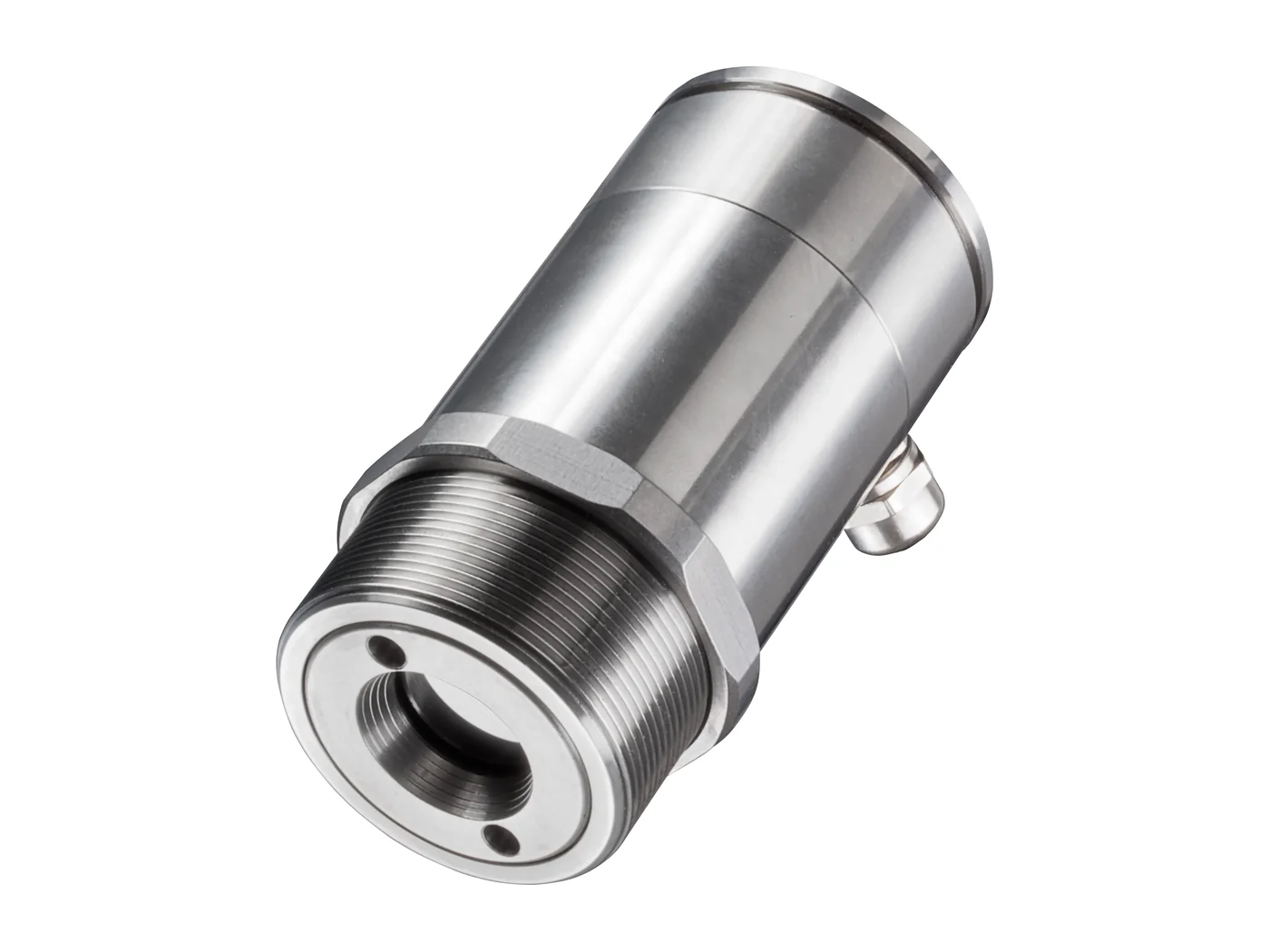
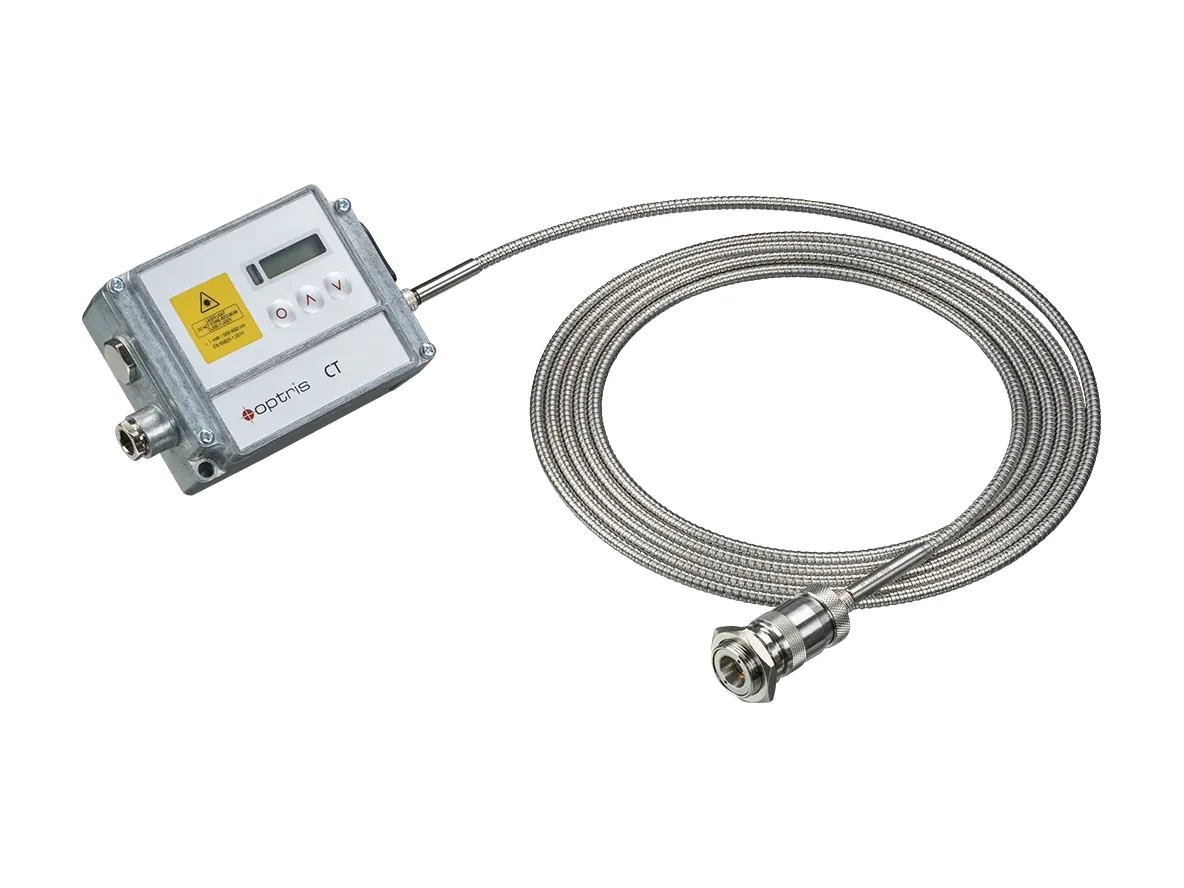
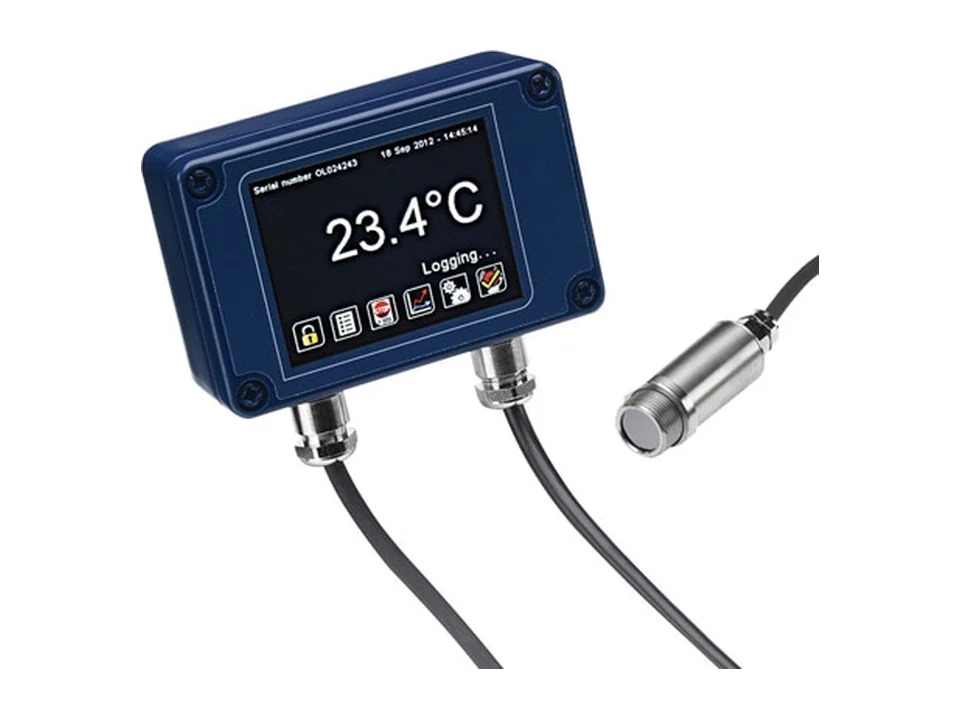
The OS-MINI-Series comprises miniature non-contact infrared temperature sensors for fixed installation where space is limited. The sensing head measures only Ø18 × 45 mm and is connected to a separate electronics module, so the head can be placed close to the target while the electronics are mounted at an accessible location. A high-temperature version of the head is available.
The sensors determine temperature from the infrared radiation emitted by the target. Standard models work in the 8 to 14 µm spectral range. The OS-MINI22 models use the shorter 2.0 to 2.6 µm range, which gives higher accuracy and better tolerance to optical obstructions at higher temperatures.
Standard models cover −20 to 100 °C (LT), 0 to 250 °C (MT), 0 to 500 °C (HT) and 0 to 1000 °C (XT), with an accuracy of ±1 °C or 1 %, whichever is greater. OS-MINI22 models cover 100 to 400 °C (PT), 250 to 1000 °C (MT) and 450 to 2000 °C (HT), with an accuracy of ±2 °C or 1 % of reading. Repeatability is ±0.5 °C or 0.5 %, and the response time t90 is 240 ms. Optics with fields of view of 2:1, 15:1 and 30:1 and close focus optics are available, as well as 20:1 for the HA201 version. Emissivity is adjustable.
Outputs include 4–20 mA, RS485 with Modbus, USB and alarm relays. An optional touch screen display with data logging can be added. The low-noise cable resists interference caused by movement, and extended cables of 5, 12 and 30 m are offered.
The sealed sensing head is made of 316 stainless steel, rated IP65 and NEMA 4, and mounted with an M16 × 1 mm thread; the high-temperature head withstands up to 180 °C. The die-cast aluminium electronics module measures 98 × 64 × 36 mm and is wall-mounted with two M4 screws. Accessories include air purge collars, laser sighting tools and mounting brackets. The sensors carry CE marking and comply with RoHS.
Applications named include food, paper, textiles, plastics, leather, tobacco, pharmaceuticals, chemicals, rubber, coal, asphalt and painted surfaces. Please send the target temperature, distance, spot size and required output with your enquiry.
OS-MINI212-D-MA, OS-MINI152-D-MA, OS-MINI302-D-MA, OS-MINI802-D-MA, OS-MINI-HA201-D-MA, OS-MINI212-D-C4, OS-MINI152-D-C4, OS-MINI302-D-C4, OS-MINI802-D-C4, OS-MINI-HA201-D-C4
Match the sensing element, insertion length and wiring to the existing input. Separate the process temperature from the ambient temperature at the connection head.
For an installed instrument, copy the complete ordering code and its suffixes from the nameplate. Identify the part that will remain in service and the part that needs to be replaced. A photograph of the connection face or terminal markings helps resolve differences between versions that share the same housing.
For a new installation, describe what the instrument must measure or control and where the reading will be used. Give the normal operating conditions separately from short peaks. Include units with every numerical value. A drawing with the available space, orientation and access for removal gives the supplier a practical starting point.
Add the quantity for each position and identify any accessories that belong with it. Where a particular drawing, material certificate or calibration record is required, mention it with the line item. Submit the list with the destination country so that the response can cover the requested configuration and delivery.