Landis+Gyr
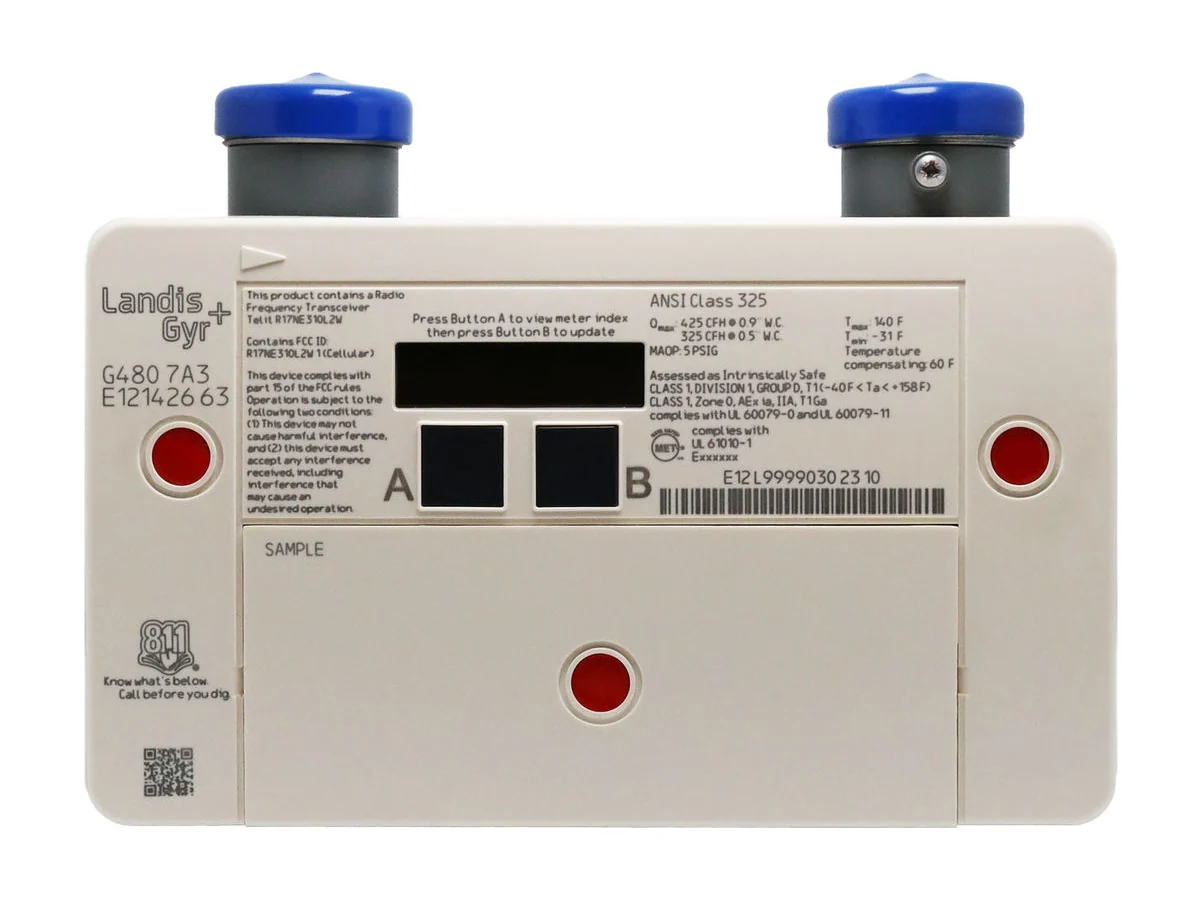
Surent G480
Flow
Differential pressure flow elements
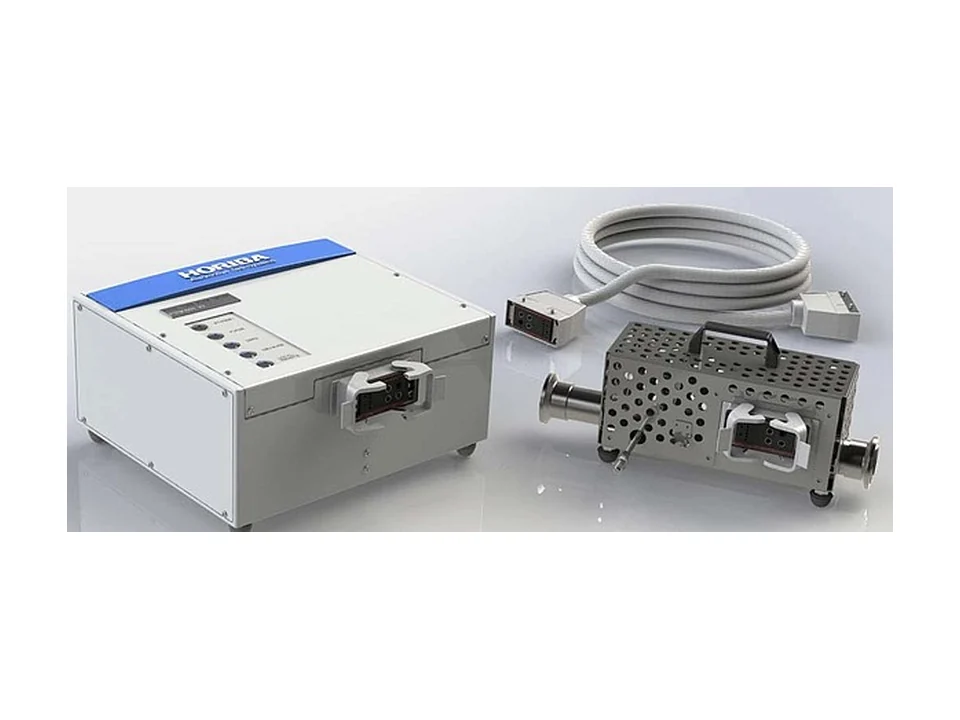
The PTFM-1000V2 is a standalone pitot tube exhaust flow meter interface for measuring the exhaust gas flow rate of combustion engines. It measures directly in the exhaust, without interfering with engine operation, and can be run standalone or integrated with an analyser system.
The flow is measured with a pitot tube using high-frequency transducers sampled at 1 kHz. This allows highly pulsating exhaust flows to be captured accurately, including reverse flows, with a response time below 1 ms. The interface detects the type of flow tube attached automatically, and zero and purge sequences run automatically.
Flow rate accuracy is within ±1 % of full scale or ±1.5 % of reading at a flow rate of 20 % of full scale. Repeatability is within ±2.0 % of reading and noise within 2.0 % of full scale, both at 20 % of full scale. Eight flow tube sizes are available: A-type 32.0 mm for up to 2.0 m³/min, B-type 42.7 mm for 4.5 m³/min, C-type 60.5 mm for 10 m³/min, D-type 76.3 mm for 15 m³/min, E-type 89.1 mm for 20 m³/min, F-type 101.6 mm for 30 m³/min, G-type 127.0 mm for 45 m³/min and H-type 152.4 mm for 65 m³/min.
The standard configuration temperature is 0 to 230 °C; a high-temperature option extends this to 0 to 900 °C. Measured data is output as a 10 Hz analogue signal, via RS-232 or via LAN.
Options include an exhaust pressure sensor for ±10 kPa gauge and a tailpipe sample fitting. The interface is calibrated every 12 months, and calibration of the pitot tube every 12 months is recommended. The meter complies with RoHS, REACH and EMC requirements and is used for work according to ISO 16183.
The flow meter is used with engines running on diesel (heavy-duty and light-duty), gasoline, LPG, CNG, ethanol, propane and butane.
To request a quotation, please state the exhaust pipe diameter or maximum flow, the exhaust gas temperature, the outputs needed and whether the pressure sensor or tailpipe fitting is required.
State the minimum, normal and peak flow with units. Pipe bore, fluid properties and the available straight run affect the choice of measuring principle.
For an installed instrument, copy the complete ordering code and its suffixes from the nameplate. Identify the part that will remain in service and the part that needs to be replaced. A photograph of the connection face or terminal markings helps resolve differences between versions that share the same housing.
For a new installation, describe what the instrument must measure or control and where the reading will be used. Give the normal operating conditions separately from short peaks. Include units with every numerical value. A drawing with the available space, orientation and access for removal gives the supplier a practical starting point.
Add the quantity for each position and identify any accessories that belong with it. Where a particular drawing, material certificate or calibration record is required, mention it with the line item. Submit the list with the destination country so that the response can cover the requested configuration and delivery.