
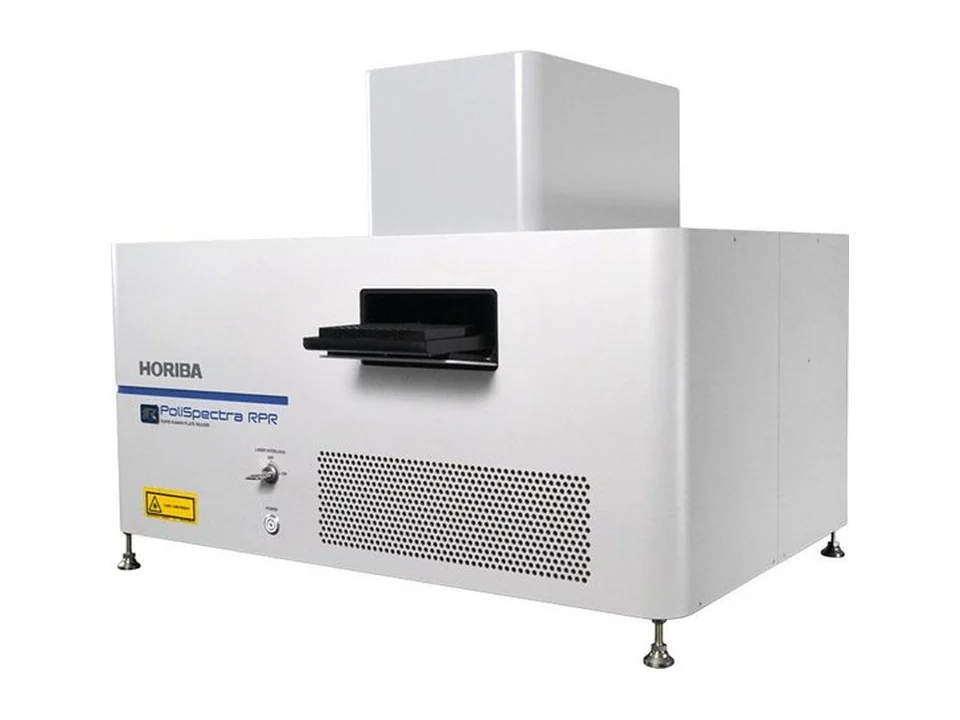
HORIBA
PoliSpectra RPR
Laboratory & analytical instruments
Elemental analysers
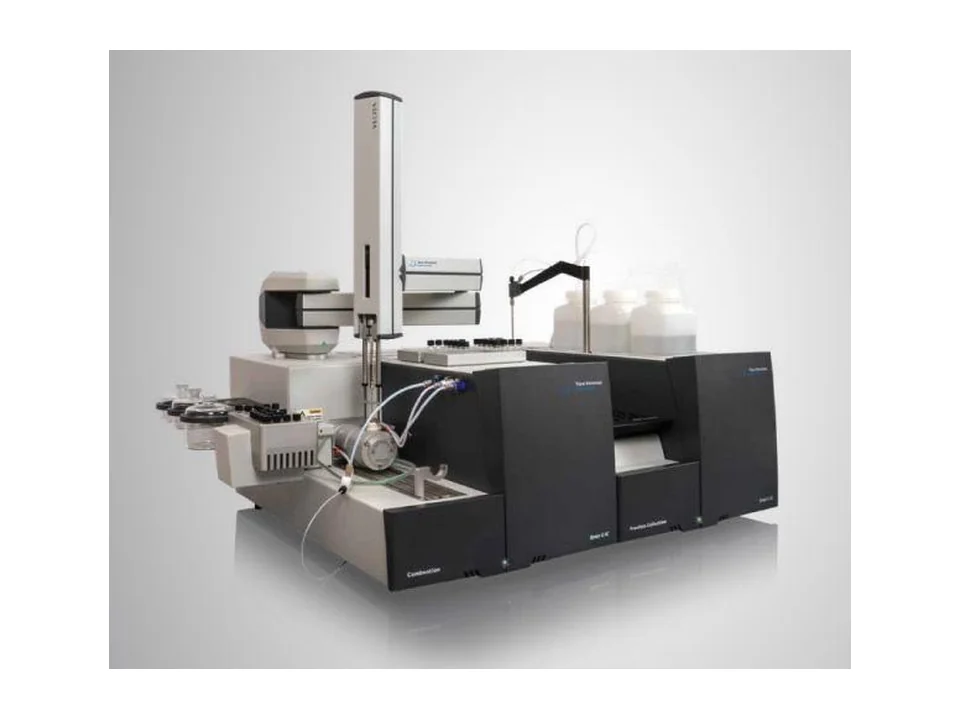
The XPLORER C-IC is an automated sample preparation system for combustion ion chromatography (C-IC). It works as an independent module that is coupled to an ion chromatography system and prepares samples for the determination of halogens and sulfur as anions in complex matrices. Its footprint is half that of conventional C-IC setups.
The system breaks down the sample by oxidative pyrohydrolytic combustion. The combustion gases are transferred in a controlled gas phase into an absorption solution, and a fraction collector with 65 positions stores the absorption solutions so that they can be transferred directly to the IC system or kept for re-analysis.
Solids, liquids, gases and LPG can be processed. Liquid, gas and LPG samples are introduced through a heated liquids introduction module by direct injection; temperature-controlled liquid introduction at 500 °C minimises soot formation. Solid and liquid samples can also be introduced with a quartz or ceramic boat. Typical sample amounts are 10–250 mg for solids, 5–250 µL for liquids, 10–250 mL for gas and 50–500 µL for LPG; liquid volumes up to 100 µL can be handled to achieve lower detection limits.
The dual-zone, low-voltage furnace reaches a maximum of 1150 °C (2100 °F), with a quartz or ceramic combustion tube. Oxygen 99.6 % and argon or helium 99.99 % are used at an input pressure of 3–10 bar (45–150 psi). The absorbent tube holds 23 mL, or optionally 40 mL, and the injection volume to the IC is variable with a default of 100 µL. The flow path is made of PTFE and PEEK. The unit operates on 100–240 VAC, 50–60 Hz, is controlled by dedicated software and offers a configurable remote start/stop.
The system complies with the performance requirements of international test methods such as ASTM, UOP, ISO, DIN, EN, JIS and KS, including ASTM D5987, D7359, D7994, D8150 and D8247. It conforms to RoHS, REACH and EMC requirements.
Applications include petrochemicals and fuels such as biofuels, refined products, LPG and natural gas; organic solvents and specialty chemicals; lubricants and polymers; environmental monitoring, including PFAS-related screening via total fluorine; and electronics, for RoHS-related halogen control.
Please describe your sample types, target elements and IC system when enquiring.
Describe the sample matrix and analytical method. Include the required measurement interval, sample interface and available bench space.
For an installed instrument, copy the complete ordering code and its suffixes from the nameplate. Identify the part that will remain in service and the part that needs to be replaced. A photograph of the connection face or terminal markings helps resolve differences between versions that share the same housing.
For a new installation, describe what the instrument must measure or control and where the reading will be used. Give the normal operating conditions separately from short peaks. Include units with every numerical value. A drawing with the available space, orientation and access for removal gives the supplier a practical starting point.
Add the quantity for each position and identify any accessories that belong with it. Where a particular drawing, material certificate or calibration record is required, mention it with the line item. Submit the list with the destination country so that the response can cover the requested configuration and delivery.