ELGAS s.r.o.
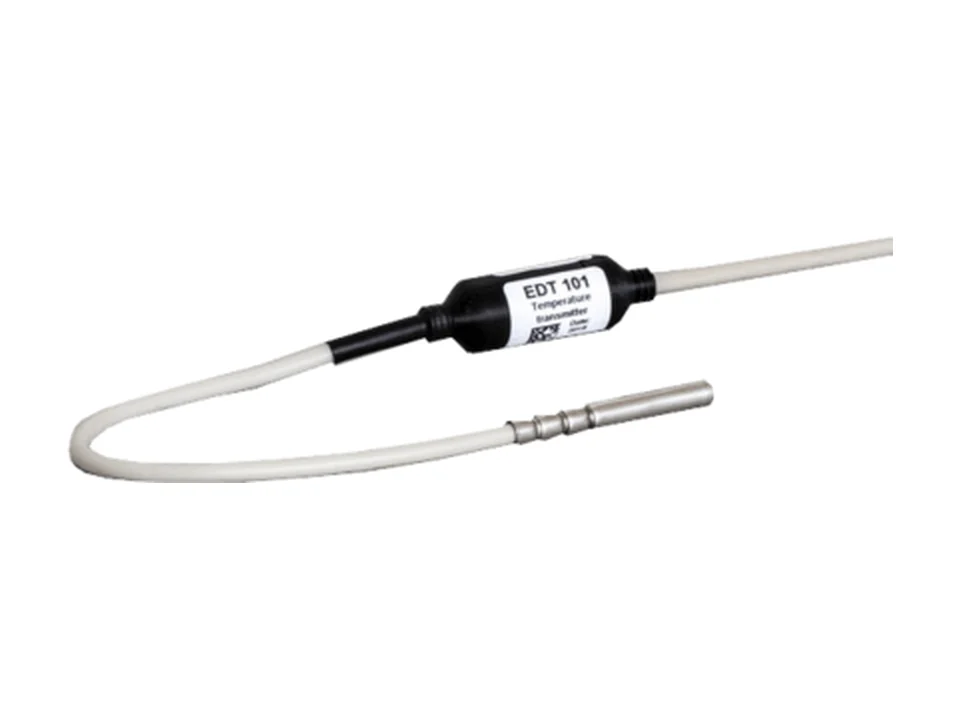
EDT 101
Temperature
Thermocouples
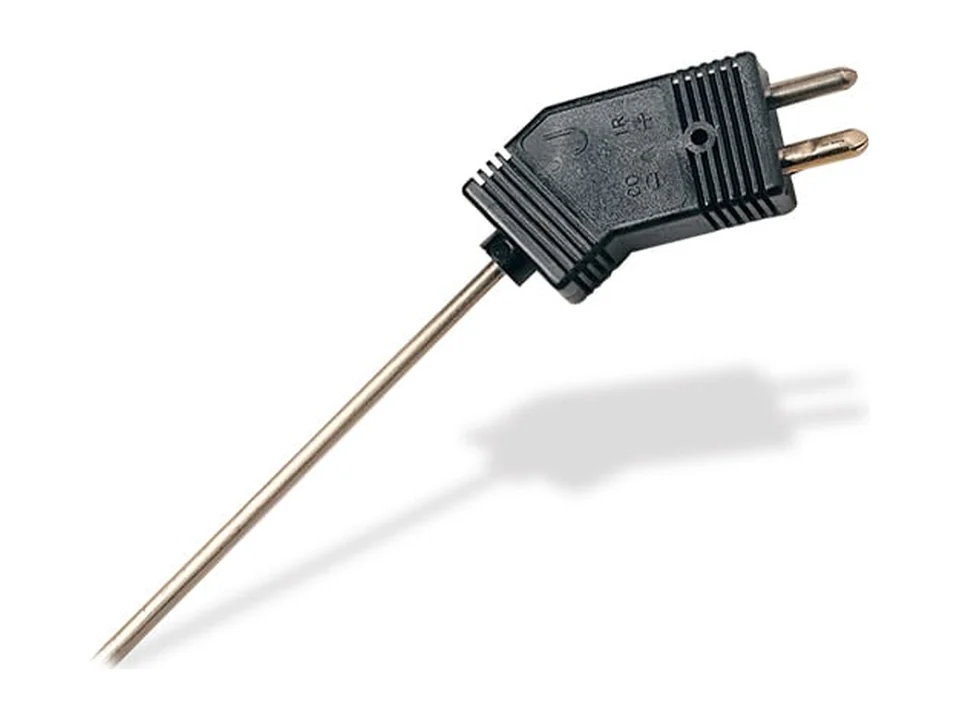
HGJQIN probes are low noise thermocouple probes with high-temperature standard size connectors. They are intended for temperature measurement where the signal must be protected against electrical noise and where the connector itself is exposed to elevated temperatures.
Noise protection is achieved with an external ground strap connection. It maintains an electrical path from the probe sheath through the connectors to the instrumentation, so that interference picked up by the sheath is led away instead of disturbing the thermocouple signal. The probe has a patented 30° angle at the connector, and the connector is a patented foolproof design with side and interior screws. Twisted and shielded extension wire is recommended for low noise applications.
The probes are offered with type J (iron–constantan), K, E and T thermocouple alloys and with grounded, exposed or ungrounded junctions, so that response time and electrical isolation can be chosen to suit the application. The thermocouples meet special limits of error (SLE) and EN 60584-2 Tolerance Class 1. Sheath materials are Inconel, 304 stainless steel, 321 stainless steel and an XL sheath alloy; standard diameters are 1/16, 1/8, 3/16 and 1/4 inch (1.5, 3.0, 4.5 and 6.0 mm), with lengths of 12, 18 and 24 inches (300, 450 and 600 mm).
The standard male connector is rated from 0 to 260 °C (500 °F) and is made of an environmentally friendly, cadmium-free liquid crystal polymer. A write-on area on the female connector allows the measuring point to be identified. The probe plugs into a miniature female thermocouple connector, and every low noise probe is supplied with the mating connector, a cable clamp and a locking clip; ground straps are sold separately.
Colour coding is available to the US ANSI standard or to IEC (metric versions). Calibration options include five-point calibration and factory calibration, and the probes are RoHS compliant.
The probes suit temperature measurement that requires electrical noise protection and good connector performance at high temperature. Please specify the thermocouple type, junction, sheath material, diameter, length and colour code in your enquiry.
HGJQIN-116(*)-12, HGJQIN-116(*)-18, HGJQIN-116(*)-24, HGJQIN-18(*)-12, HGJQIN-18(*)-18, HGJQIN-18(*)-24, HGJQIN-316(*)-12, HGJQIN-316(*)-18, HGJQIN-316(*)-24, HGJQIN-14(*)-12, HGJQIN-14(*)-18, HGJQIN-14(*)-24, HGJQIN-M15(*)-300, HGJQIN-M15(*)-450, HGJQIN-M15(*)-600, HGJQIN-M30(*)-300, HGJQIN-M30(*)-450, HGJQIN-M30(*)-600, HGJQIN-M45(*)-300, HGJQIN-M45(*)-450, HGJQIN-M45(*)-600, HGJQIN-M60(*)-300, HGJQIN-M60(*)-450, HGJQIN-M60(*)-600, HGJQSS-116(*)-12, HGJQSS-116(*)-18, HGJQSS-116(*)-24, HGJQSS-18(*)-12, HGJQSS-18(*)-18, HGJQSS-18(*)-24, HGJQSS-316(*)-12, HGJQSS-316(*)-18, HGJQSS-316(*)-24, HGJQSS-14(*)-12, HGJQSS-14(*)-18, HGJQSS-14(*)-24, HGKQIN-116(*)-12, HGKQIN-116(*)-18, HGKQIN-116(*)-24, HGKQIN-18(*)-12, HGKQIN-18(*)-18, HGKQIN-18(*)-24, HGKQIN-316(*)-12, HGKQIN-316(*)-18, HGKQIN-316(*)-24, HGKQIN-14(*)-12, HGKQIN-14(*)-18, HGKQIN-14(*)-24, HGKQSS-116(*)-12, HGKQSS-116(*)-18, HGKQSS-116(*)-24, HGKQSS-18(*)-12, HGKQSS-18(*)-18, HGKQSS-18(*)-24, HGKQSS-316(*)-12, HGKQSS-316(*)-18, HGKQSS-316(*)-24, HGKQSS-14(*)-12, HGKQSS-14(*)-18, HGKQSS-14(*)-24
Match the sensing element, insertion length and wiring to the existing input. Separate the process temperature from the ambient temperature at the connection head.
For an installed instrument, copy the complete ordering code and its suffixes from the nameplate. Identify the part that will remain in service and the part that needs to be replaced. A photograph of the connection face or terminal markings helps resolve differences between versions that share the same housing.
For a new installation, describe what the instrument must measure or control and where the reading will be used. Give the normal operating conditions separately from short peaks. Include units with every numerical value. A drawing with the available space, orientation and access for removal gives the supplier a practical starting point.
Add the quantity for each position and identify any accessories that belong with it. Where a particular drawing, material certificate or calibration record is required, mention it with the line item. Submit the list with the destination country so that the response can cover the requested configuration and delivery.