ifm electronic
VVB3
Mechanical & physical measurement
Vibration & condition monitoring
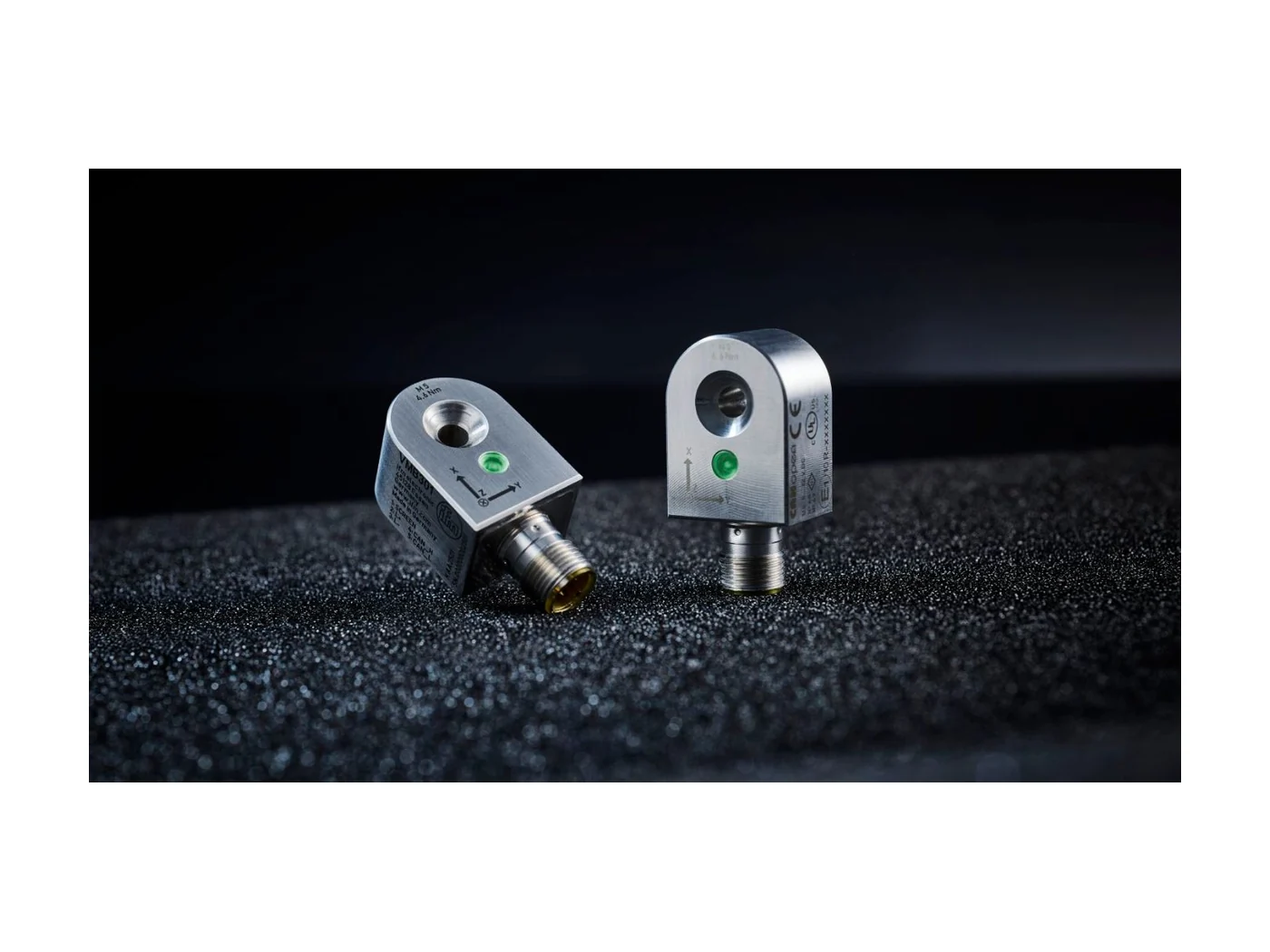
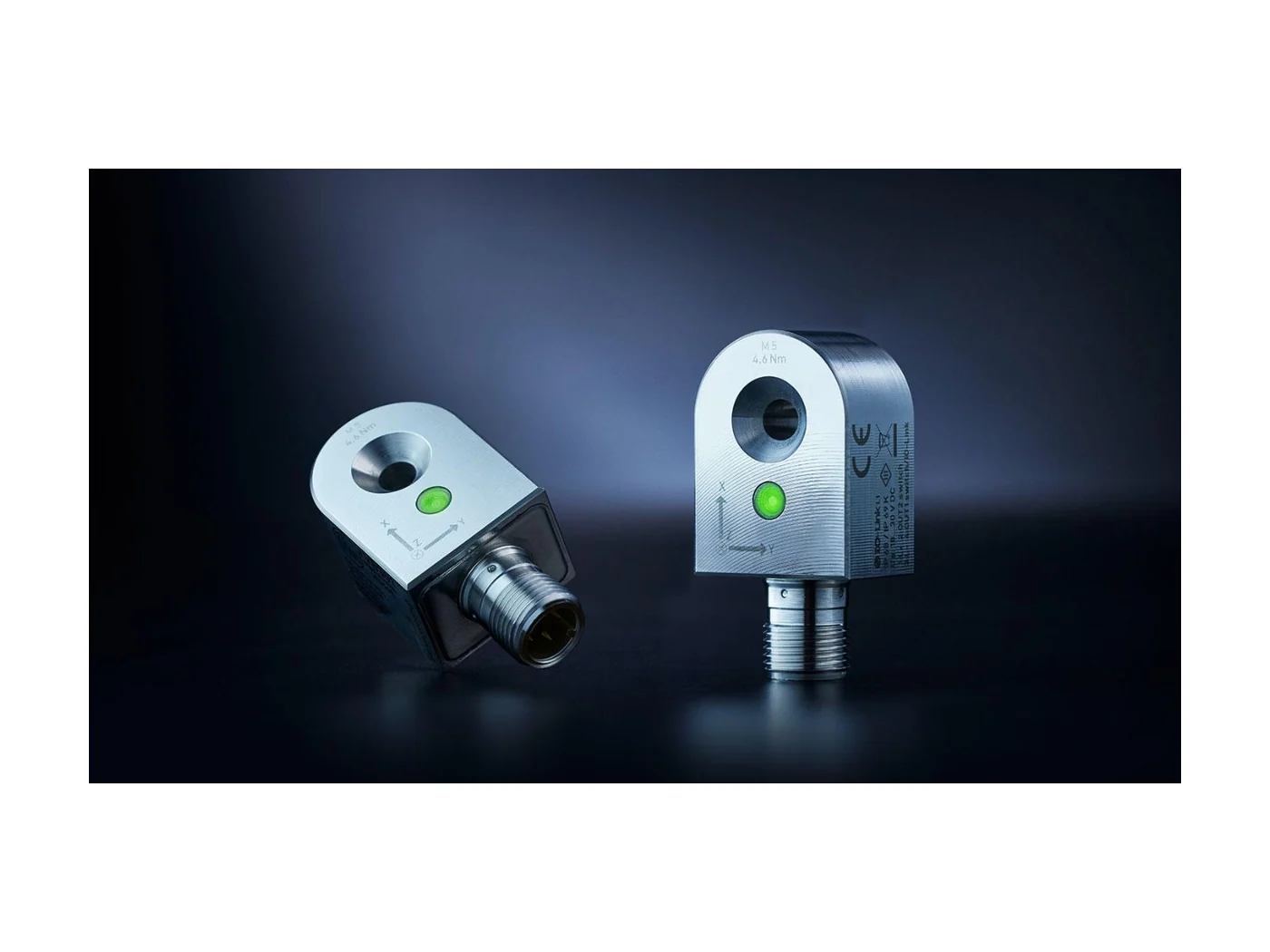
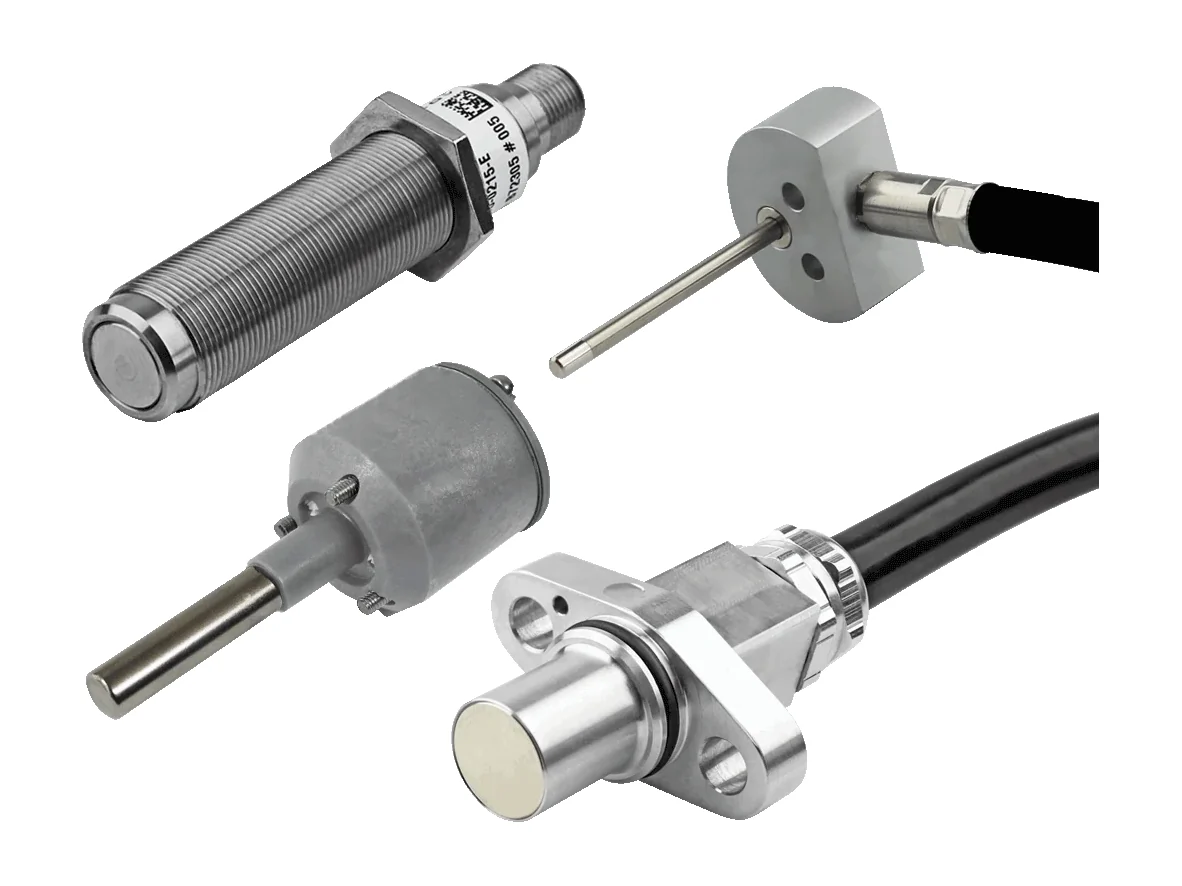
The KA is a flexible multi-sensor for condition monitoring that integrates vibration, temperature and speed measurement in a single housing. Up to three sensors are combined, so several measured variables can be captured at one measuring point. The design is space-saving and mechanically compatible with compact standard threaded and flanged sensor designs, and it is suited to rail and maritime applications.
For vibration, the sensor measures structure-borne noise levels in order to detect wear processes such as bearing damage or imbalance. The vibration channel has a low noise level. Temperature and speed channels can be added in the same housing. Because it fits into the space of a standard sensor, the KA can also serve as a retrofit for upgrading older systems that have only single measuring points.
The sensor elements are combined in four standard variants. Variant A contains 2 × FA, 1 × TA and 1 × BA; variant B 2 × FA and 1 × TA; variant C 2 × FA and 1 × BA; and variant D 1 × TA and 1 × BA. The appropriate combination is selected according to which variables are to be monitored at the measuring point.
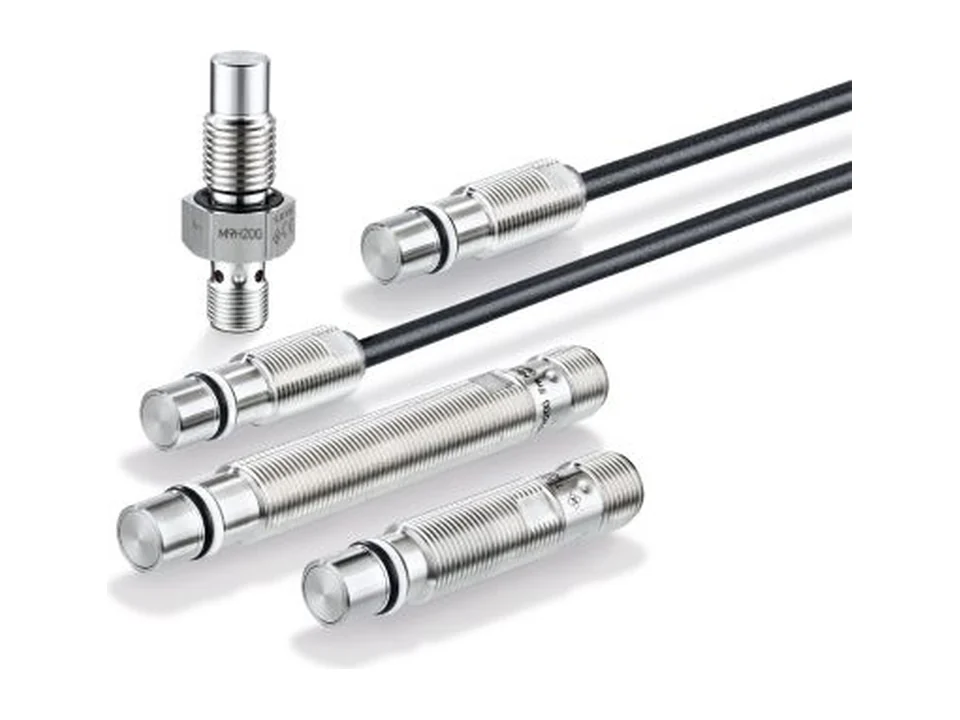
Three mechanical designs are available: a flange housing, a screw-in sensor with male thread and a stick-in sensor. Electrical connection is by a customised connecting cable with an open end or by a connecting plug of the customer's choice. For extreme environments, additional cable protection is available.
The sensor is easy to install and to service. It has been type tested for rail applications and complies with DIN EN 50155 for electronic equipment on railway vehicles.
Typical uses are wheelset monitoring, bogie monitoring and drive system monitoring, where a single sensor position can provide information on vibration, temperature and speed at the same time.
When enquiring, please state the required sensor combination, the mechanical design (flange, screw-in or stick-in), cable length and connector, and whether additional cable protection is needed.
Include the sensing target, mounting clearance and direction of travel or force. Record the connector pinout from the existing device.
For an installed instrument, copy the complete ordering code and its suffixes from the nameplate. Identify the part that will remain in service and the part that needs to be replaced. A photograph of the connection face or terminal markings helps resolve differences between versions that share the same housing.
For a new installation, describe what the instrument must measure or control and where the reading will be used. Give the normal operating conditions separately from short peaks. Include units with every numerical value. A drawing with the available space, orientation and access for removal gives the supplier a practical starting point.
Add the quantity for each position and identify any accessories that belong with it. Where a particular drawing, material certificate or calibration record is required, mention it with the line item. Submit the list with the destination country so that the response can cover the requested configuration and delivery.