Bürkert Fluid Control Systems
Type 8203
Liquid analysis
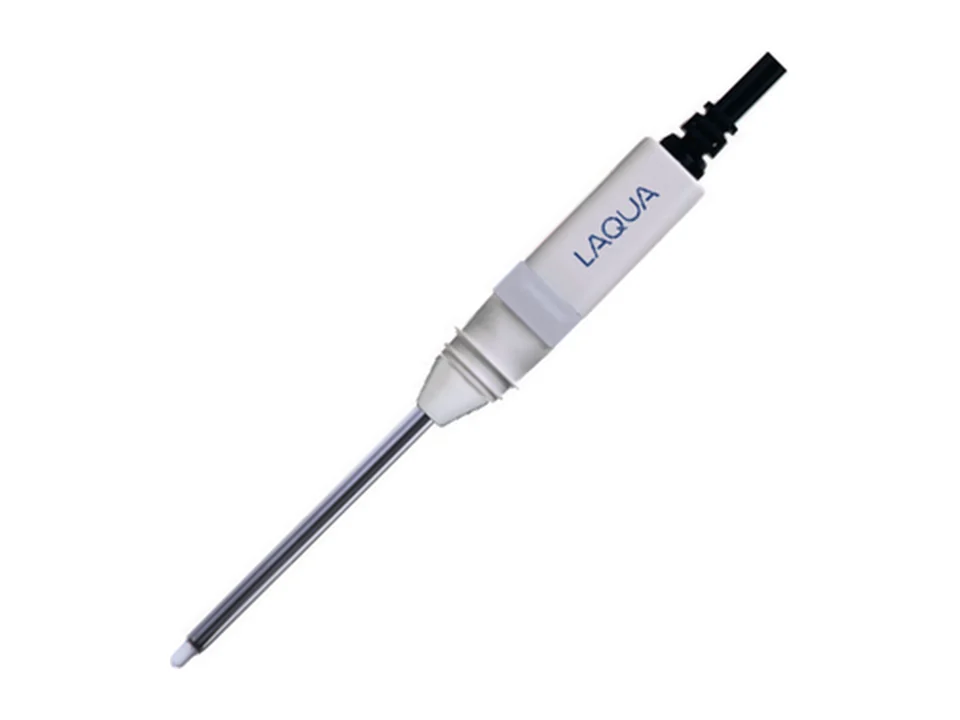
Dissolved oxygen, chlorine & ozone sensors
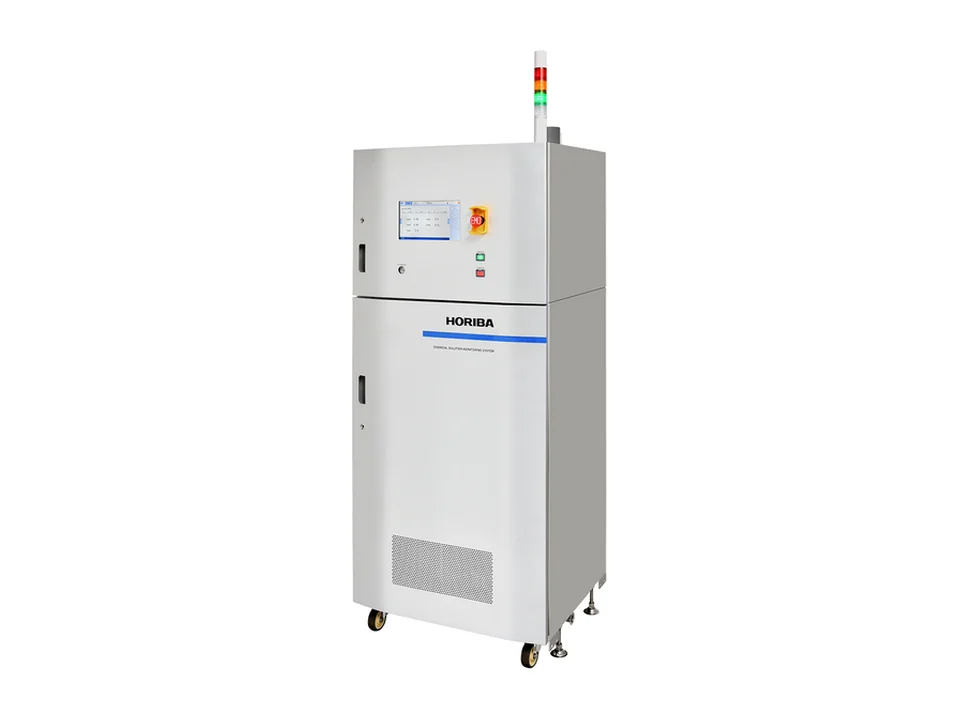
The PM-960 and PM-100 form a monitoring system for continuous measurement of peracetic acid concentration. The PM-960 is the converter and the PM-100 is the sensor unit; together they are designed for sterilisation processes in beverage and food processing, including food filling machines.
The system uses an electrochemical measurement method. The peracetic acid sensor, model 5800, detects peracetic acid (CH3COOOH) in the liquid sample, and the converter processes the signal into a concentration value. No reagents are required, which allows continuous measurement, and the sensor can be replaced and calibrated easily.
The measuring range is 100 to 4000 ppm with a repeatability of ±100 ppm. The sample is supplied at a flow rate of 500 to 2000 ml/min and a pressure within 0.1 MPa. Sample temperature and ambient temperature can each be from 0 to 45 °C.
The converter provides a 4–20 mA analogue output and RS-485 communication, five contact outputs that can be used for alarms, and one contact input. It is powered from 24 V DC ±10 %. The cable between sensor and converter can be specified from 5 m up to a maximum of 50 m, and a panel-mounted display unit allows remote operation.
The equipment is an indoor panel installation type with IP65 protection. Wetted and housing materials listed are PVC, PTFE, silicone, PPO and OPP. The system carries the CE marking under the EMC Directive to EN 61326-1 Class A and complies with FCC Part 15.
The listed applications are food filling machines, beverage processing and sterilisation in food processing.
For a quotation, please send the expected concentration range, the sample flow and pressure, the required cable length and whether the panel-mounted display unit is needed.
PM-960, PM-100, 5800
Record the sample temperature, expected concentration and how the probe is mounted. Identify the mating transmitter when replacing a sensor.
For an installed instrument, copy the complete ordering code and its suffixes from the nameplate. Identify the part that will remain in service and the part that needs to be replaced. A photograph of the connection face or terminal markings helps resolve differences between versions that share the same housing.
For a new installation, describe what the instrument must measure or control and where the reading will be used. Give the normal operating conditions separately from short peaks. Include units with every numerical value. A drawing with the available space, orientation and access for removal gives the supplier a practical starting point.
Add the quantity for each position and identify any accessories that belong with it. Where a particular drawing, material certificate or calibration record is required, mention it with the line item. Submit the list with the destination country so that the response can cover the requested configuration and delivery.