ELGAS s.r.o.
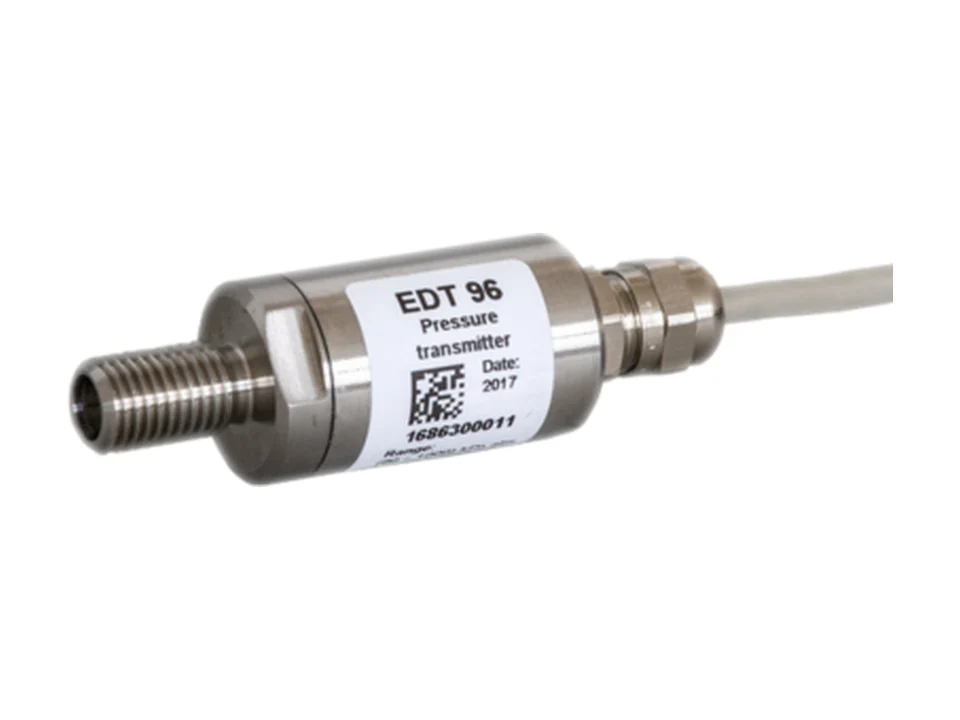
EDT 96
Pressure
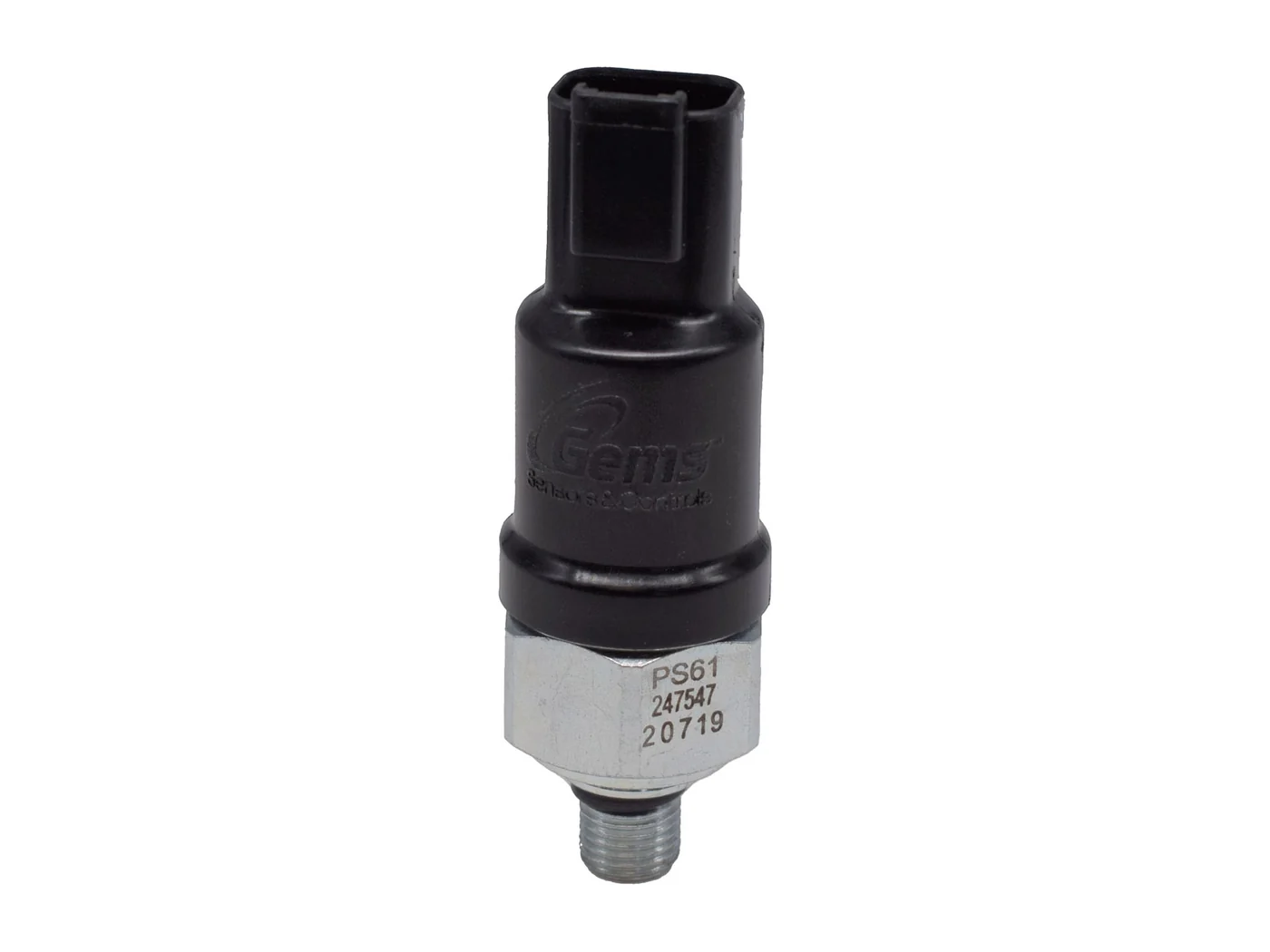
Pressure switches
The PS61 series is a subminiature pressure switch made for OEM hydraulic and pneumatic applications. It combines a very small body with a wide pressure range and offers enhanced ingress protection ratings of IPX7, IPX9K and IP6KX, with integral electrical connections.
The switch detects a change in pressure and opens or closes an electrical circuit at the set point. Two sensing styles are available. Diaphragm styles seal against oils and gases, while piston styles are intended for high-cycle, high-pressure liquid applications. The contact arrangement is SPST or SPDT, with a switch rating of 100 VA; gold contacts are available as an option.
Switch points can be specified across 10 to 4350 psi (0.7 to 300 bar). Depending on the version, proof pressure is 6000 psi or 350 psi and burst pressure is 9000 psi or 700 psi. The permitted fluid temperature is −22 °F to +250 °F, the ambient temperature range is −40 °F to +250 °F and the switch may be stored from −65 °F to +275 °F.
Fittings are made of 316 stainless steel or 12L14 zinc-plated steel. Process connections include 1/8" NPT male, 1/4" NPT male, 1/8-28 BSPP, 1/4-19 BSPP and 7/16"-20 SAE J1926-2. Several electrical terminations are offered, such as flying leads, spade terminals and Deutsch-type connectors. The switch weighs about 227 g (0.5 lb).
Environmental robustness is tested to MIL-STD-202G methods 204D, 213B and 214A and to ASTM B117; ingress protection is classified to IEC 60529 and DIN 40050-9. The switch carries CE and RoHS markings. For the FVMQ diaphragm option and for use in the 70–100 pressure range, the life cycle should be confirmed with the factory.
Typical application areas are medical equipment, general industry, fire suppression systems and off-highway vehicles. Article numbers such as 621979, 622050 or 622079 identify specific configurations. When you send an enquiry, please state the required set point and whether it should switch on rising or falling pressure, the medium, the preferred sensing style, the process connection, the contact type and the electrical termination.
621979, 622050, 622079, 621996, 622043, 622102, 621945, 622039, 622014, 622068, 622069, 622032, 622022, 621986, 622124, 622047, 622062, 247394, 621924, 621989, 621940, 223539, 621964, 622087, 621961
Specify whether the reference is gauge, absolute or differential pressure. Include the normal span and the largest pressure the instrument may see.
For an installed instrument, copy the complete ordering code and its suffixes from the nameplate. Identify the part that will remain in service and the part that needs to be replaced. A photograph of the connection face or terminal markings helps resolve differences between versions that share the same housing.
For a new installation, describe what the instrument must measure or control and where the reading will be used. Give the normal operating conditions separately from short peaks. Include units with every numerical value. A drawing with the available space, orientation and access for removal gives the supplier a practical starting point.
Add the quantity for each position and identify any accessories that belong with it. Where a particular drawing, material certificate or calibration record is required, mention it with the line item. Submit the list with the destination country so that the response can cover the requested configuration and delivery.