ifm electronic
LW2120
Level
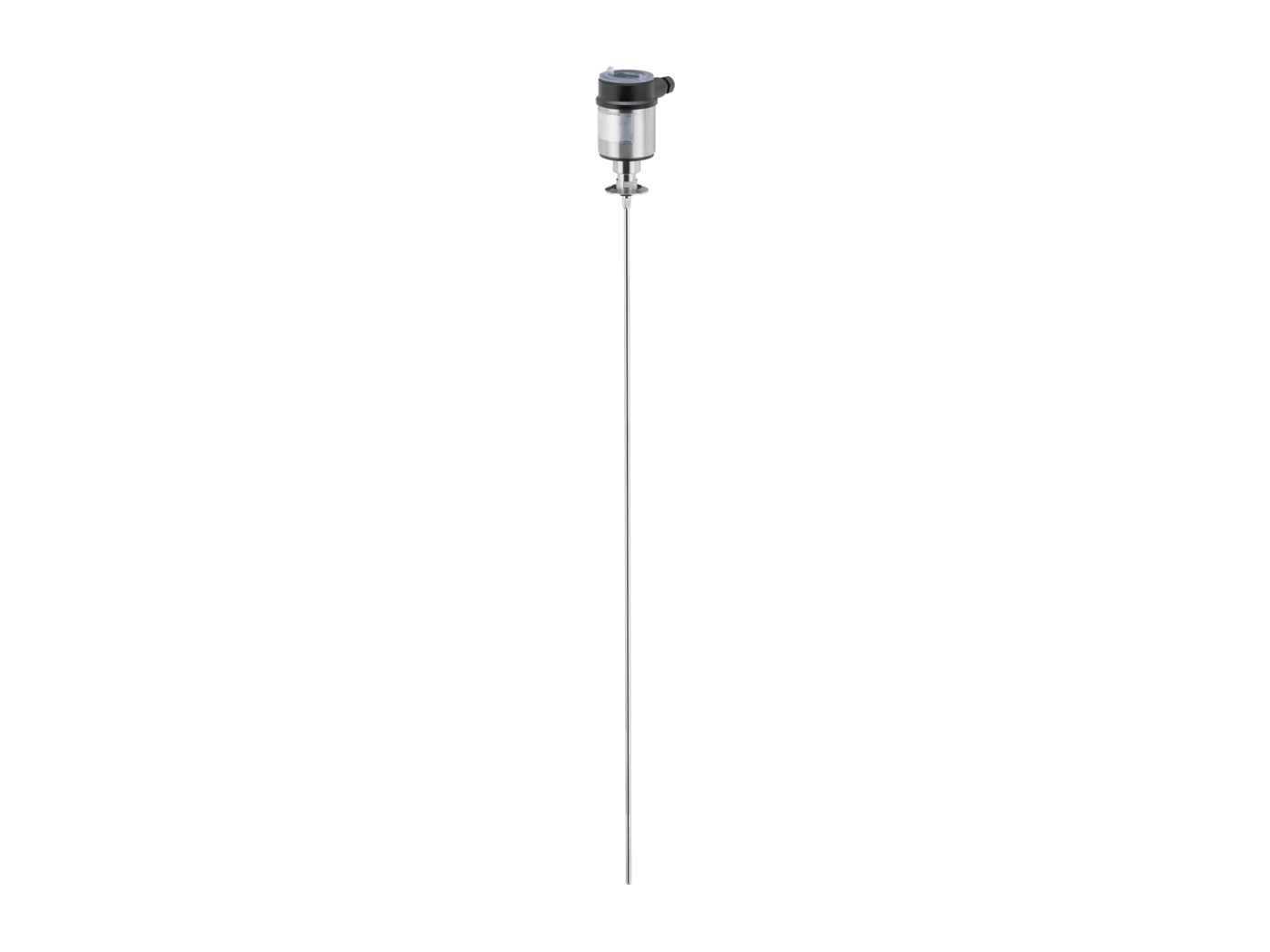
Radar level transmitters
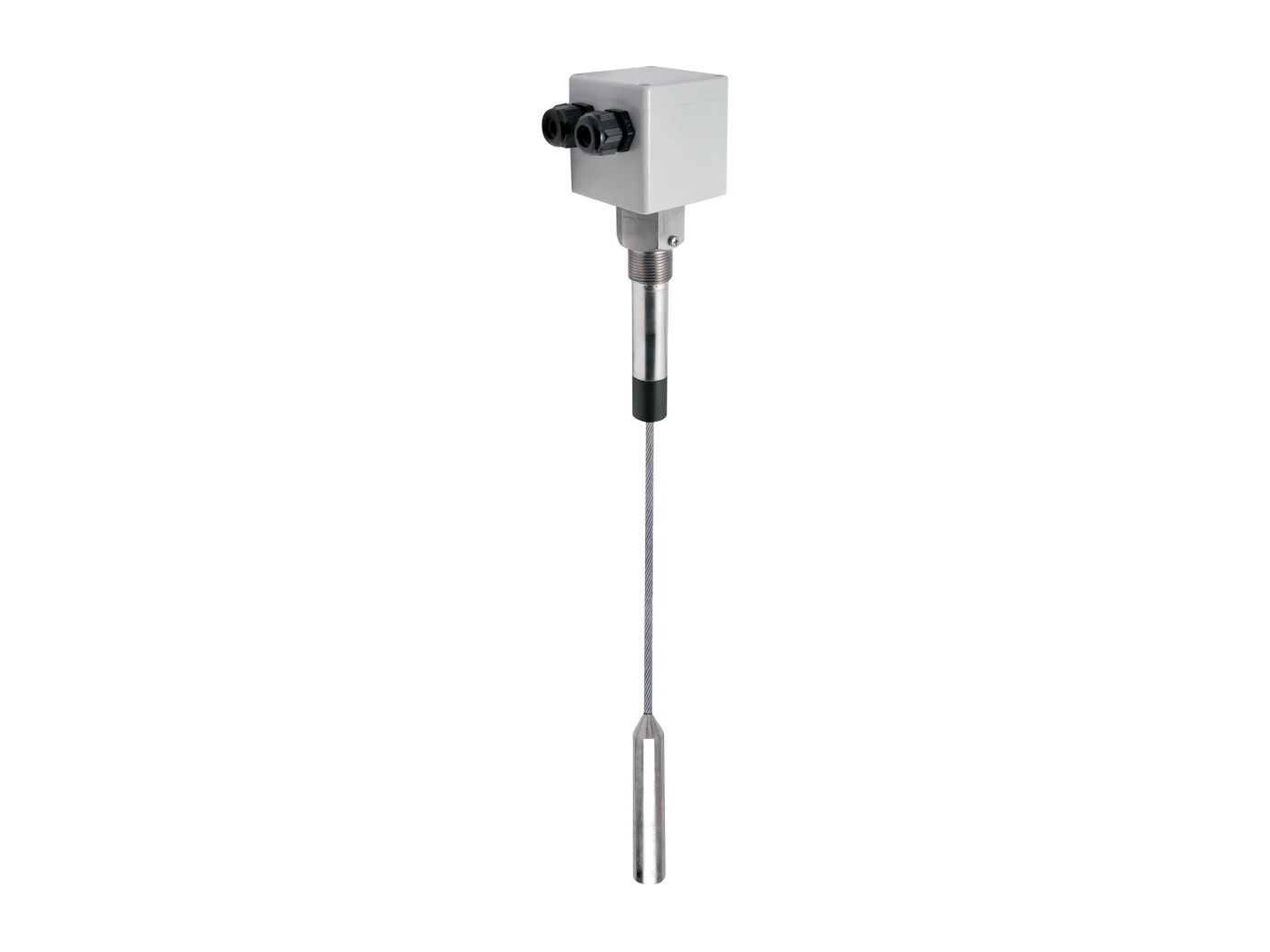
Type 8189 is a guided radar level transmitter in a sanitary design for continuous level measurement of liquids in process technology. It is aimed at food and beverage and pharmaceutical tanks, and a PFA-coated probe variant extends its use to corrosive liquids.
High-frequency microwave pulses are guided along a rod probe. Where they meet the product surface they are reflected, and the electronics evaluate the reflection to determine the distance and output the level. Because the measurement follows the probe, the device is insensitive to steam, dust, density fluctuations and changes in dielectric constant. Versions for liquids with a high dielectric constant are also available.
The measuring range is 0.08 to 4 m. The blocking distance at the top of the probe is 80 mm for water and 150 mm for oil. The device handles process temperatures from −20 to +130 °C and process pressures from −1 to 16 bar.
The transmitter operates in 2-wire technology on 9.6 to 35 VDC and provides a 4–20 mA output with HART. Electrical connection is via an M20 × 1.5 cable gland. An optional display and configuration module is available. Signal behaviour follows the NAMUR recommendations NE21, NE43, NE53 and NE107.
The interchangeable rod probe has an 8 mm diameter and is made of stainless steel 1.4435 with a surface roughness of Ra ≤ 0.76 µm; rod lengths are 1 m and 2 m. Other materials listed include 316L stainless steel, PEEK, EPDM, transparent PC, PBT and PA. Process connections are Clamp 2" and DIN 11851 DN 50 threaded. The housing has a diameter of 91 mm, is rated IP66/IP67 and weighs 890 g; the rod adds approximately 400 g per metre. The device is CE marked, FDA compliant, and available in explosion-protected versions to ATEX and IECEx following EN IEC 60079-0, EN 60079-11 and EN 60079-26. It is suitable for up to 2000 m altitude and 75 % non-condensing humidity.
Variants are defined by process connection, rod length and dielectric constant version, for example 565850 (Clamp 2", 1 m rod) or 565853 (DIN 11851, 2 m rod).
For an offer, please state the liquid, tank height, process connection, rod length and whether an Ex version or display module is required.
565850, 565851, 565852, 565853, 566733, 567088, 568115, 568149, 568150, 568789, 569370, 570275, 571056, 571105, 571106, 571257, 571468, 571469, 571470, 565854, 565856, 565855, 565857, 565858, 565860, 565859, 565861
Identify the vessel height, nozzle position and surface conditions. A point alarm and a continuous level reading require different outputs.
For an installed instrument, copy the complete ordering code and its suffixes from the nameplate. Identify the part that will remain in service and the part that needs to be replaced. A photograph of the connection face or terminal markings helps resolve differences between versions that share the same housing.
For a new installation, describe what the instrument must measure or control and where the reading will be used. Give the normal operating conditions separately from short peaks. Include units with every numerical value. A drawing with the available space, orientation and access for removal gives the supplier a practical starting point.
Add the quantity for each position and identify any accessories that belong with it. Where a particular drawing, material certificate or calibration record is required, mention it with the line item. Submit the list with the destination country so that the response can cover the requested configuration and delivery.