Bürkert Fluid Control Systems
Type 8203
Liquid analysis
pH & ORP electrodes
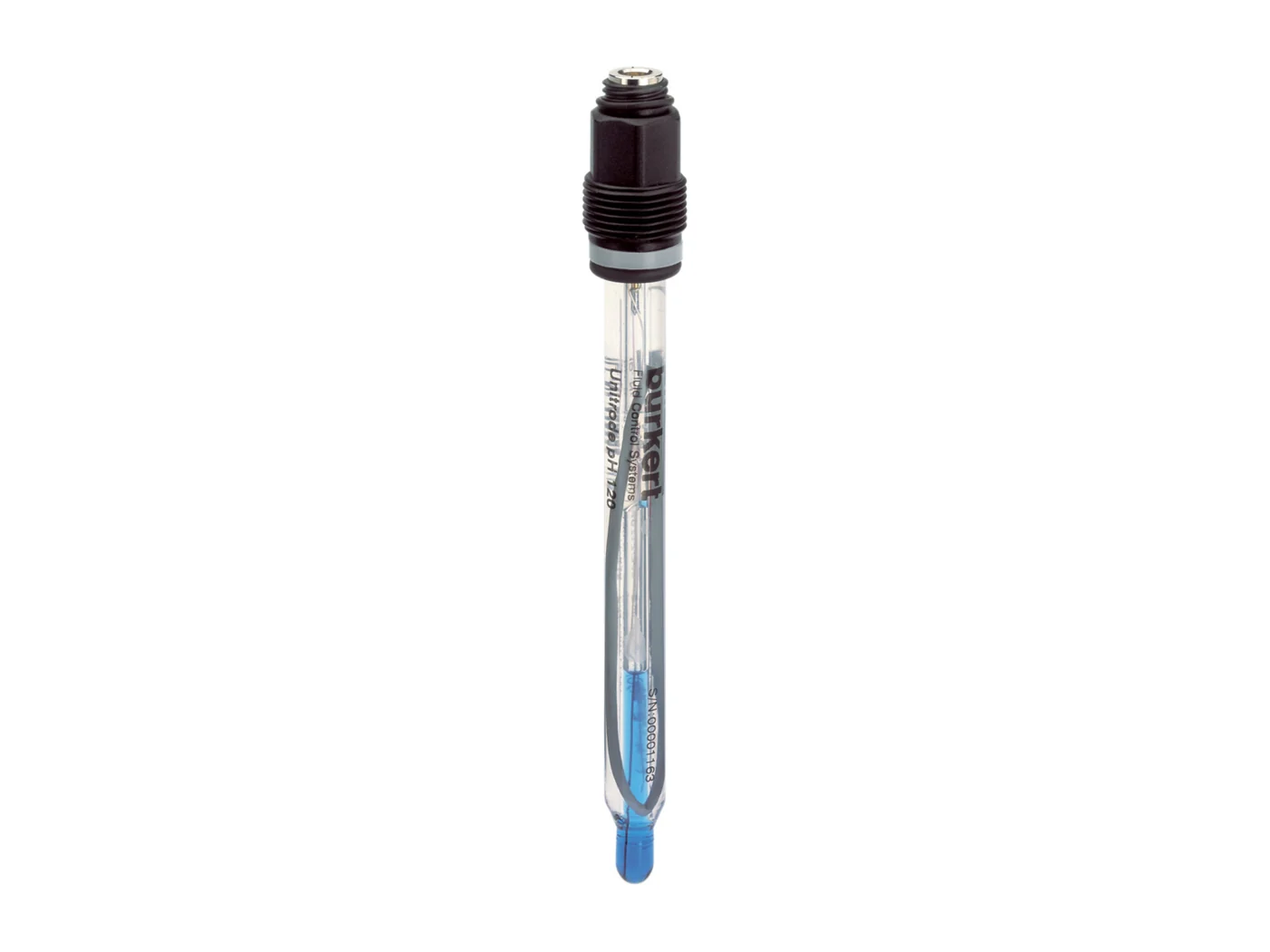
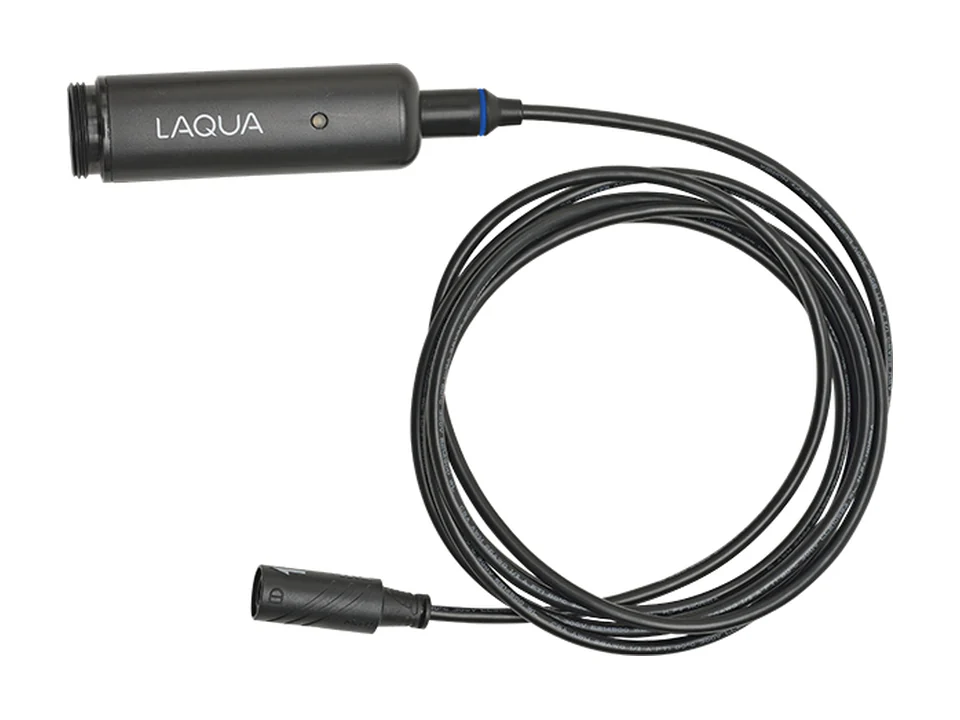
The 300PH-2 and 300PH-5 are pH sensor heads designed for use with the 300-P-C pH sensor cartridge in water quality monitoring. The sensor head holds the cartridge and contains the electronics for measuring pH and temperature with integrated sensors. Application areas named are drinking water utilities, automotive manufacturing, semiconductor manufacturing processes and research and testing laboratories.
The two models differ in cable length and measuring precision. The 300PH-2 comes with a 2 m cable and measures pH from −2.00 to 20.00 with a resolution of 0.01 pH and an accuracy of ±0.01 pH. The 300PH-5 comes with a 5 m cable and offers higher precision, measuring from −2.000 to 20.000 pH with a resolution of 0.001 pH and an accuracy of ±0.005 pH.
In addition to pH, both heads measure the electrode potential over a range of ±1000.0 mV with 0.1 mV resolution and ±0.1 mV accuracy. Temperature is measured from −30.0 to 130.0 °C (−22.0 to 266.0 °F) with a resolution of 0.1 °C/°F and an accuracy of ±0.5 °C (±0.9 °F).
Calibration can use up to six points. The buffer groups USA, DIN, NIST and NIST10 are supported, together with a custom buffer group for user-defined buffer values.
The body is made of ABS and polycarbonate and measures 85 × 30 mm. Electrical connection is by a push-pull connector at the end of the cable. The sensor heads conform to RoHS, REACH and EMC requirements.
The choice between the models depends on the required resolution and the distance between measuring point and instrument: the 300PH-2 for 0.01 pH resolution with a 2 m cable, and the 300PH-5 for 0.001 pH resolution with a 5 m cable. The 300-P-C pH sensor cartridge itself is a separate item.
Typical uses, as named for the product, are water quality monitoring at drinking water utilities, in automotive and semiconductor manufacturing processes, and in research and testing laboratories.
Please specify the model, quantity and whether 300-P-C cartridges are needed when sending an enquiry.
300PH-2, 300PH-5
Record the sample temperature, expected concentration and how the probe is mounted. Identify the mating transmitter when replacing a sensor.
For an installed instrument, copy the complete ordering code and its suffixes from the nameplate. Identify the part that will remain in service and the part that needs to be replaced. A photograph of the connection face or terminal markings helps resolve differences between versions that share the same housing.
For a new installation, describe what the instrument must measure or control and where the reading will be used. Give the normal operating conditions separately from short peaks. Include units with every numerical value. A drawing with the available space, orientation and access for removal gives the supplier a practical starting point.
Add the quantity for each position and identify any accessories that belong with it. Where a particular drawing, material certificate or calibration record is required, mention it with the line item. Submit the list with the destination country so that the response can cover the requested configuration and delivery.