Bürkert Fluid Control Systems
Type 8203
Liquid analysis
Turbidity & suspended solids
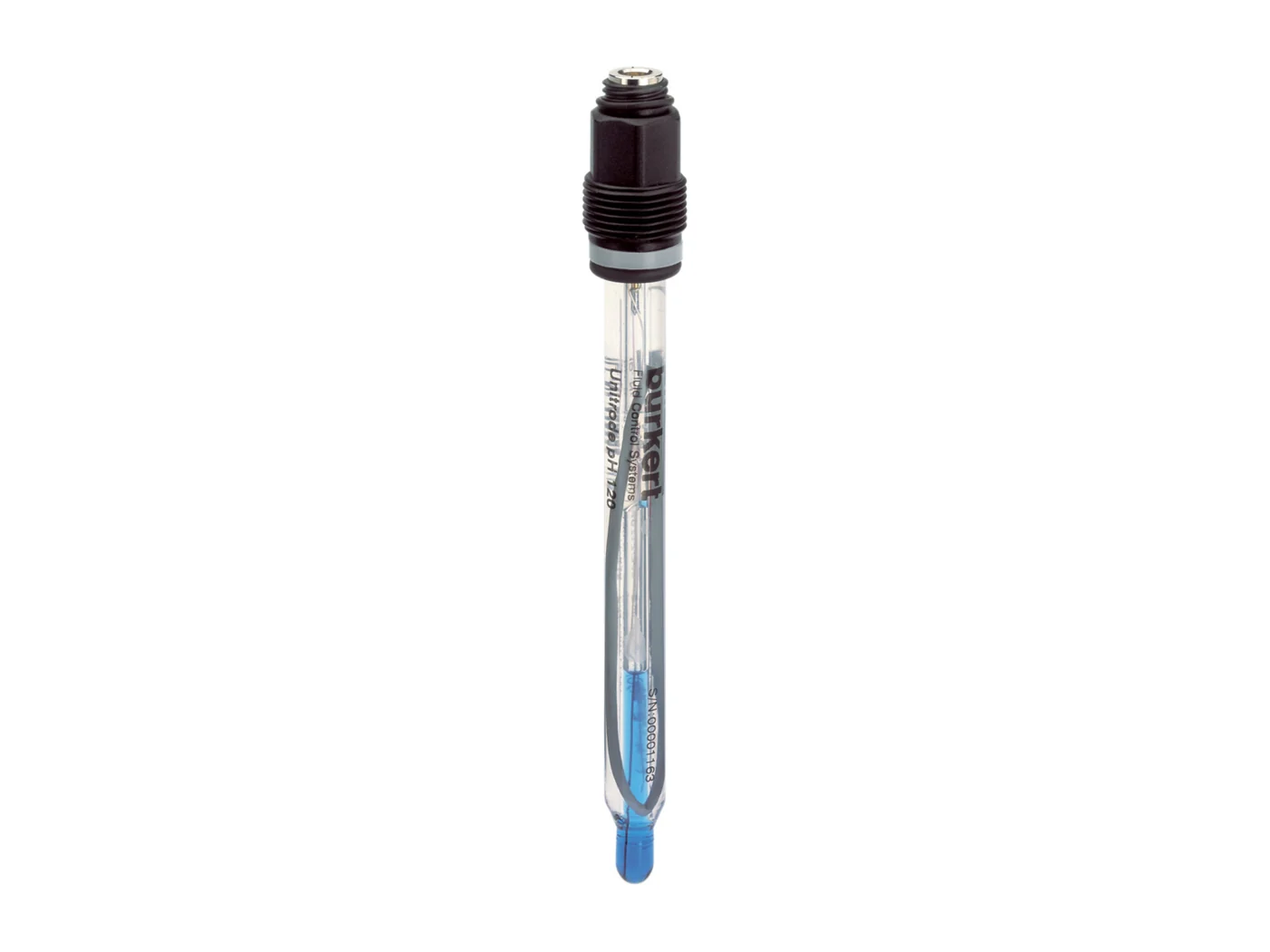
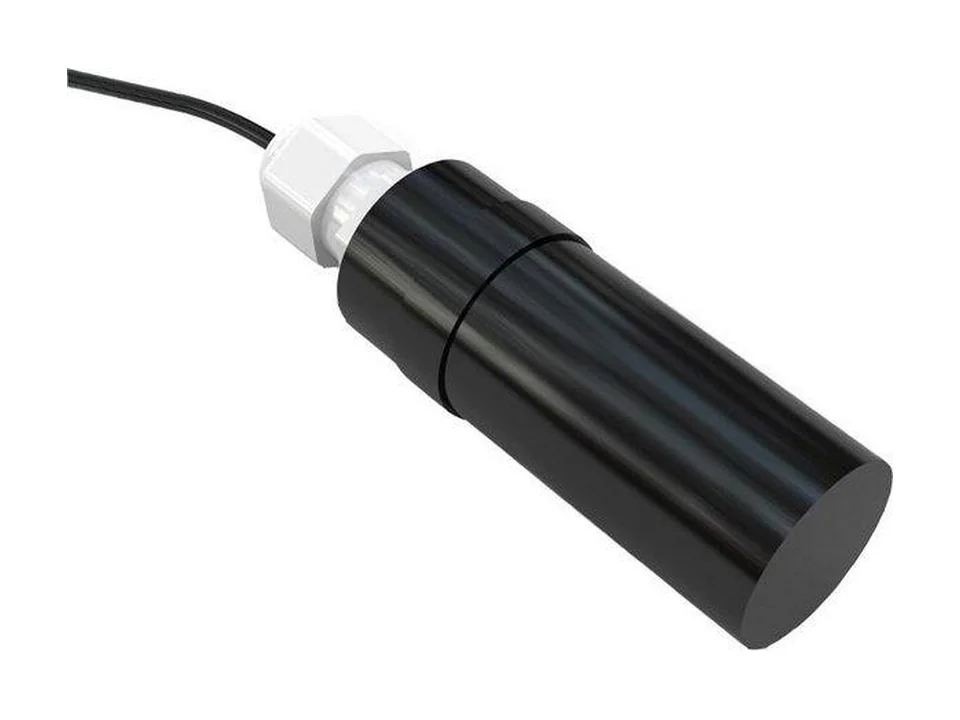
EXT-TURBNEPH is a nephelometric turbidity probe for measuring suspended particles in water. It is intended for continuous monitoring of water quality in treatment plants and in other process and surface water applications, and it is offered in three measuring ranges so that the probe can be matched to clean, moderately loaded or more turbid water.
The probe works on the nephelometric method described in ISO 7027 and EN 27027. An infrared light beam is sent through the sample via an optical lens. Light scattered by the suspended particles at an angle of 90 degrees is collected by a second lens and converted into an electrical signal proportional to turbidity. Because the light source is infrared, the measurement is not affected by the colour of the sample.
Three versions differ only in their range. EXT-TURBNEPH-L covers 0 to 4 NTU, EXT-TURBNEPH-M covers 0 to 40 NTU and EXT-TURBNEPH-H covers 0 to 400 NTU. All three versions are supplied with a 10-metre integral sensor cable, so the probe can be installed at the measuring point and connected to the evaluation unit at some distance.
The body is made of PVC. The probe is rated for a working pressure of up to 6 bar at 25 °C and for ambient temperatures from −5 to 50 °C. It can be mounted in-line or in-flow, depending on how the sample is brought to the probe at the installation site. The product complies with RoHS, REACH and EMC requirements, and the measuring method follows ISO 7027 and EN 27027.
The listed applications are municipal and industrial waste water treatment plants, drinking water treatment plants, other process water applications, surface water monitoring and aquaculture. In each case the choice of range is the main selection criterion: the low-range version suits treated or drinking water, while the medium and high ranges cover water with a higher load of suspended particles.
To request a quotation, please send the required measuring range or article number, the planned mounting method (in-line or in-flow) and the number of probes needed.
EXT-TURBNEPH-H, EXT-TURBNEPH-M, EXT-TURBNEPH-L
Record the sample temperature, expected concentration and how the probe is mounted. Identify the mating transmitter when replacing a sensor.
For an installed instrument, copy the complete ordering code and its suffixes from the nameplate. Identify the part that will remain in service and the part that needs to be replaced. A photograph of the connection face or terminal markings helps resolve differences between versions that share the same housing.
For a new installation, describe what the instrument must measure or control and where the reading will be used. Give the normal operating conditions separately from short peaks. Include units with every numerical value. A drawing with the available space, orientation and access for removal gives the supplier a practical starting point.
Add the quantity for each position and identify any accessories that belong with it. Where a particular drawing, material certificate or calibration record is required, mention it with the line item. Submit the list with the destination country so that the response can cover the requested configuration and delivery.