Bürkert Fluid Control Systems
Type 8203
Liquid analysis
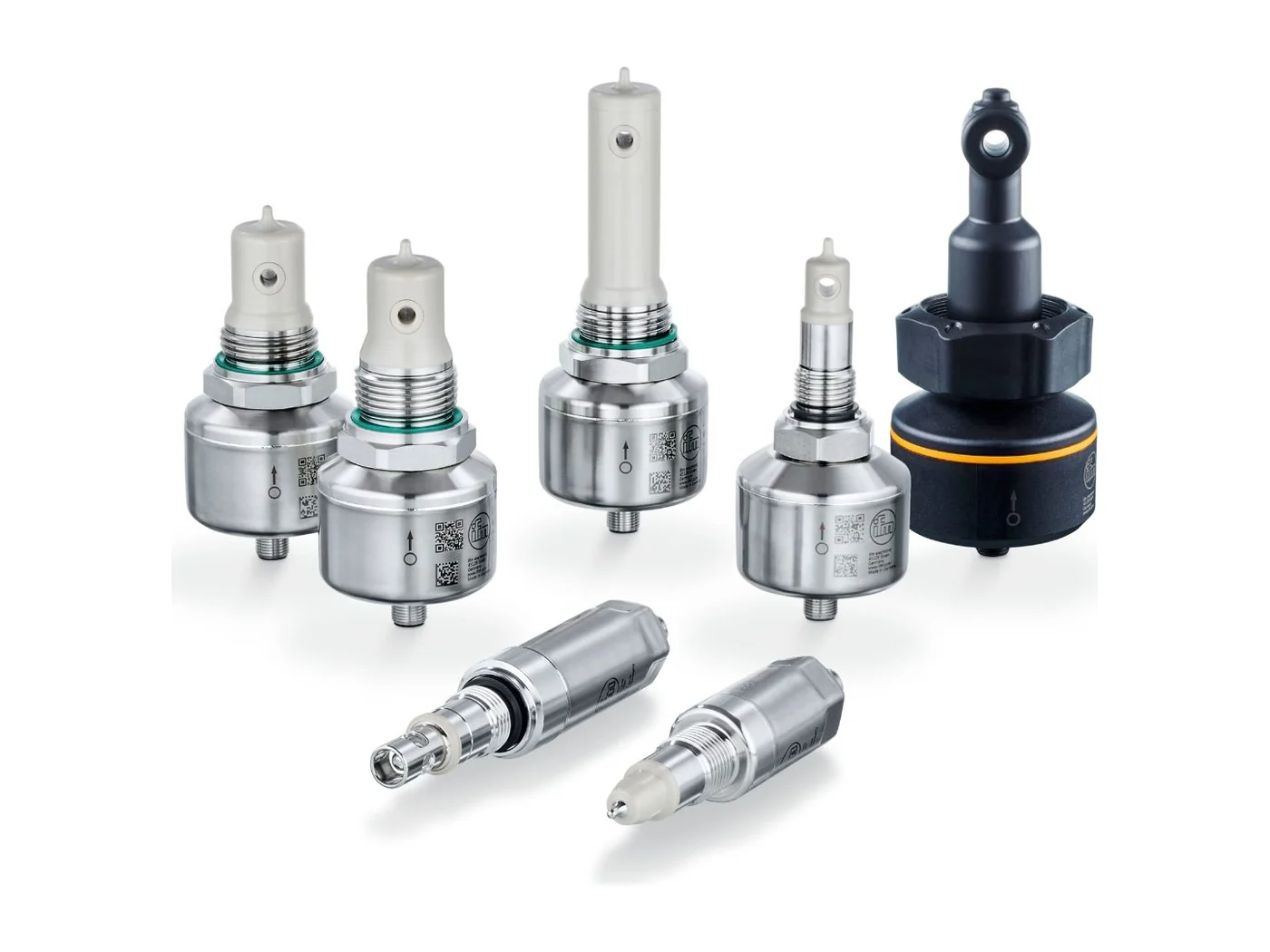
Conductivity & resistivity sensors
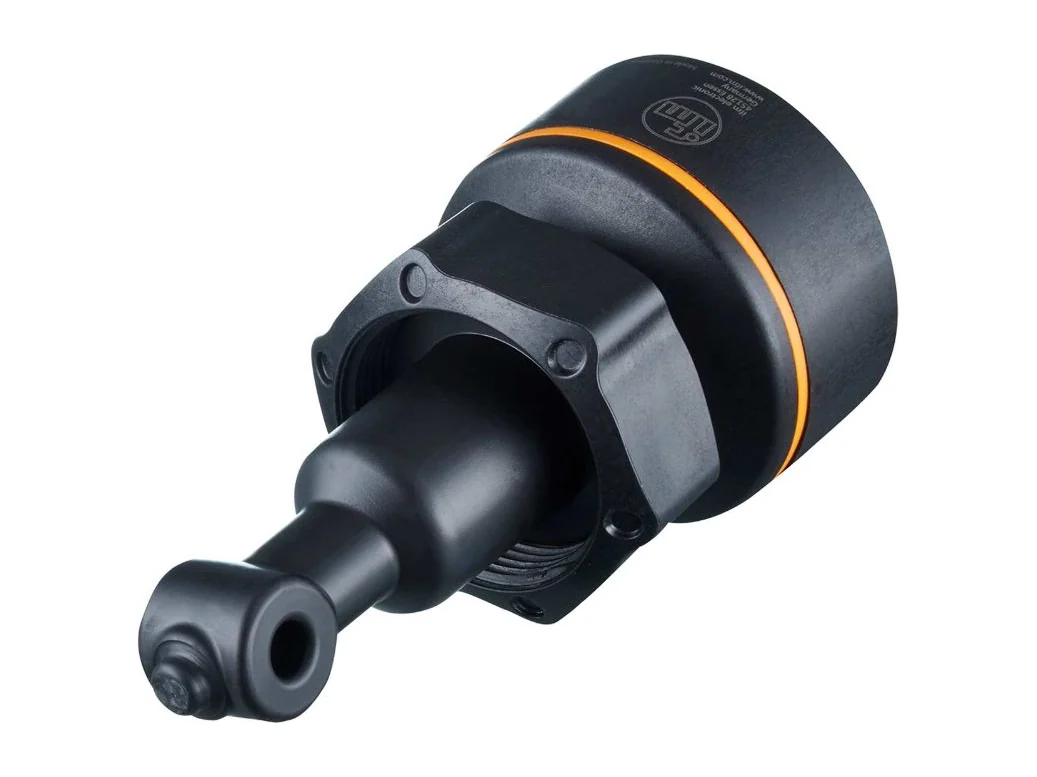
The LDL series comprises compact conductivity sensors for industrial and hygienic applications. Measuring element and evaluation unit are integrated in a single housing, so no separate transmitter is needed; this saves space and simplifies wiring. The sensors are used with water, in the food and beverage industry, for CIP processes, ultrapure water monitoring, phase separation, water filtration, parts cleaning, water treatment, cooling water and in the marine industry.
The sensors determine the conductivity of the medium and transmit the result digitally via IO-Link. Digital transmission provides high resolution and avoids the scaling inaccuracies associated with analogue outputs. Electrical connection is through a standard M12 connector, following a plug-and-work approach.
The series as a whole covers 0.04 µS/cm to 2,000,000 µS/cm, divided between models for specific tasks. The LDL100 identifies process phases, with a measuring range up to 15,000 µS/cm. LDL2xx models are intended for precise CIP monitoring and dosing, with a measuring range starting at 100 µS/cm. The LDL101 (stainless steel housing) and LDL3x1 (plastic housing) detect water purity from 0.04 µS/cm. The LDL400 offers a wide range from 100 to 2,000,000 µS/cm and is certified for marine use.
The housing is available in stainless steel or polypropylene and is rated IP69K. The process connection is G1/2, suitable for pipes from DN25, and flexible adapter options make the sensors suitable for retrofits as well as new installations. A factory certificate is included with the sensor. Marine certification is by DNV EU RO Mutual Recognition type approval.
Typical tasks named for the series are phase separation and CIP monitoring in food and beverage plants, purity monitoring of ultrapure water, monitoring of water treatment, filtration, parts cleaning and cooling water, and marine applications.
When sending an enquiry, please state the medium, expected conductivity range, pipe size, preferred housing material and whether marine approval is required.
LDL100, LDL2xx, LDL101, LDL3x1, LDL3xx, LDL200, LDL400
Record the sample temperature, expected concentration and how the probe is mounted. Identify the mating transmitter when replacing a sensor.
For an installed instrument, copy the complete ordering code and its suffixes from the nameplate. Identify the part that will remain in service and the part that needs to be replaced. A photograph of the connection face or terminal markings helps resolve differences between versions that share the same housing.
For a new installation, describe what the instrument must measure or control and where the reading will be used. Give the normal operating conditions separately from short peaks. Include units with every numerical value. A drawing with the available space, orientation and access for removal gives the supplier a practical starting point.
Add the quantity for each position and identify any accessories that belong with it. Where a particular drawing, material certificate or calibration record is required, mention it with the line item. Submit the list with the destination country so that the response can cover the requested configuration and delivery.