Bürkert Fluid Control Systems
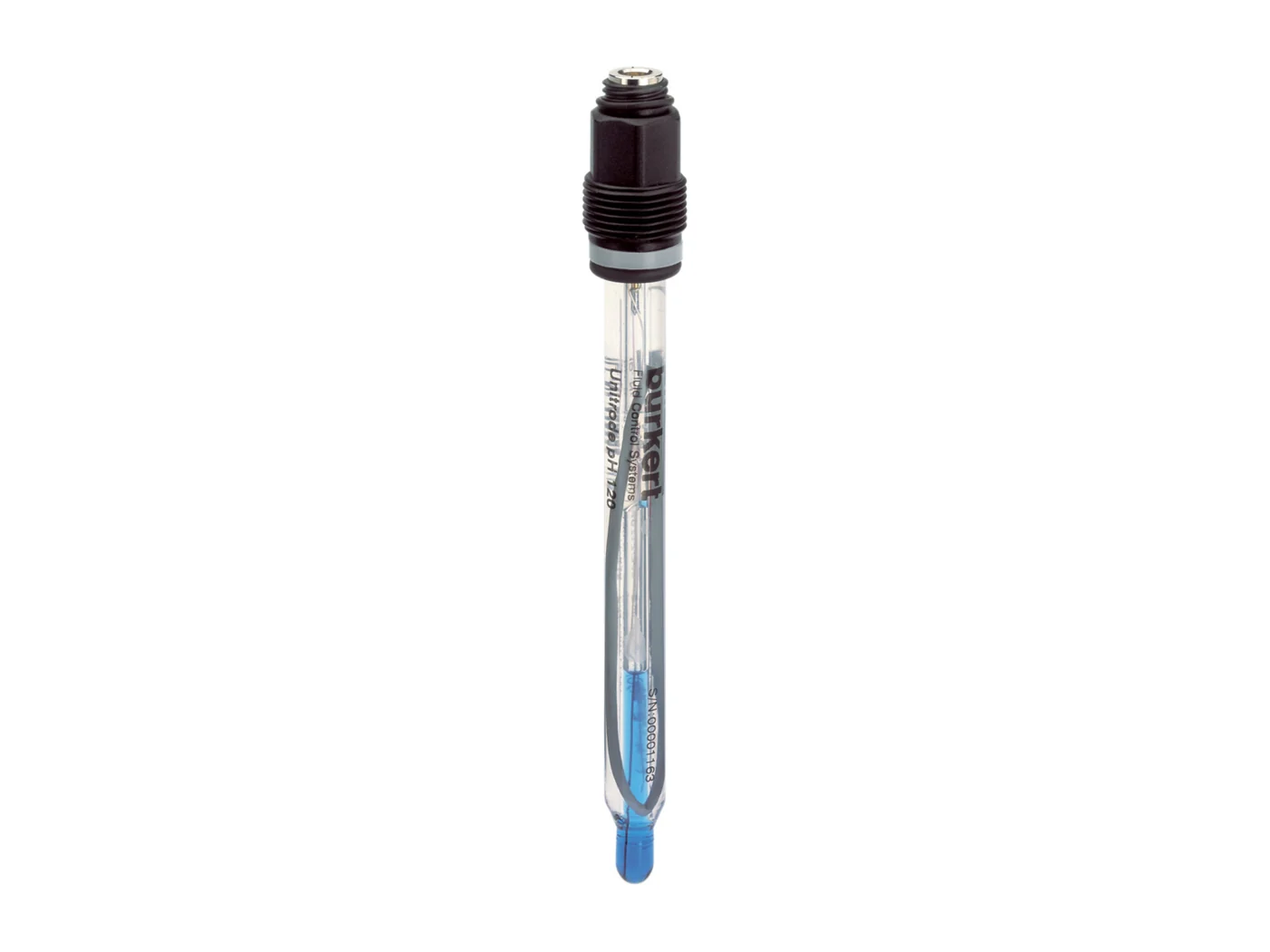
Type 8203
Liquid analysis
pH & ORP electrodes
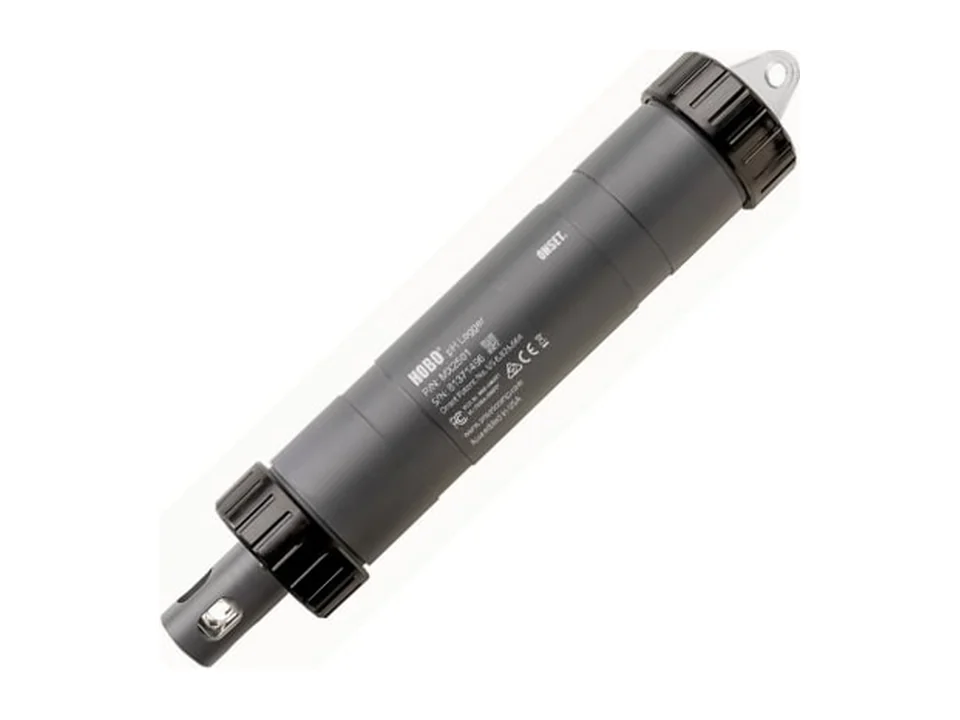
The MX2501 is a compact, submersible data logger that measures and records pH and water temperature at the same time. It is designed for long-term deployment in natural waters such as lakes, streams, rivers, estuaries and the open sea, in fresh water as well as salt water. Setup, calibration and data download are done wirelessly from a smartphone or tablet via Bluetooth Low Energy, so the logger does not need to be removed from its mounting or opened in the field.
The logger uses a potentiometric pH electrode with gel electrolyte and a double cloth junction, together with a temperature sensor. It measures pH from 2.00 to 12.00 with a resolution of 0.01 and an accuracy of ±0.10 pH within ±10 °C of the calibration temperature; the electrode voltage is also recorded from −512 to 512 mV. Water temperature is measured from −2 to 50 °C with ±0.2 °C accuracy. Typical response time is one minute for pH and seven minutes for temperature in stirred water.
Up to 43,300 measurements are stored in 152 KB of memory. The mobile app guides the user through pH calibration step by step and is used to offload the recorded data. The Bluetooth range is about 30 m in open air. A water detection function helps to extend battery life, and the AA battery is replaced by the user.
The housing is made of PVC with polycarbonate closure caps and is rated IP68, waterproof to a depth of 40 m. A mounting hole is provided for fixing the logger in place. The pH electrode is user-replaceable, so the logger body stays in service when the electrode reaches the end of its life.
Accessories include a replacement pH electrode, a calibration kit, an anti-biofouling guard for long deployments in biologically active water, and a storage cap that keeps the electrode moist between deployments. The logger is CE marked and RoHS compliant. Please tell us the deployment depth, water type and planned logging interval, and we will check the set of accessories that best suits your monitoring programme.
MX2501-PH-Logger
Record the sample temperature, expected concentration and how the probe is mounted. Identify the mating transmitter when replacing a sensor.
For an installed instrument, copy the complete ordering code and its suffixes from the nameplate. Identify the part that will remain in service and the part that needs to be replaced. A photograph of the connection face or terminal markings helps resolve differences between versions that share the same housing.
For a new installation, describe what the instrument must measure or control and where the reading will be used. Give the normal operating conditions separately from short peaks. Include units with every numerical value. A drawing with the available space, orientation and access for removal gives the supplier a practical starting point.
Add the quantity for each position and identify any accessories that belong with it. Where a particular drawing, material certificate or calibration record is required, mention it with the line item. Submit the list with the destination country so that the response can cover the requested configuration and delivery.