ifm electronic
LDL
Liquid analysis
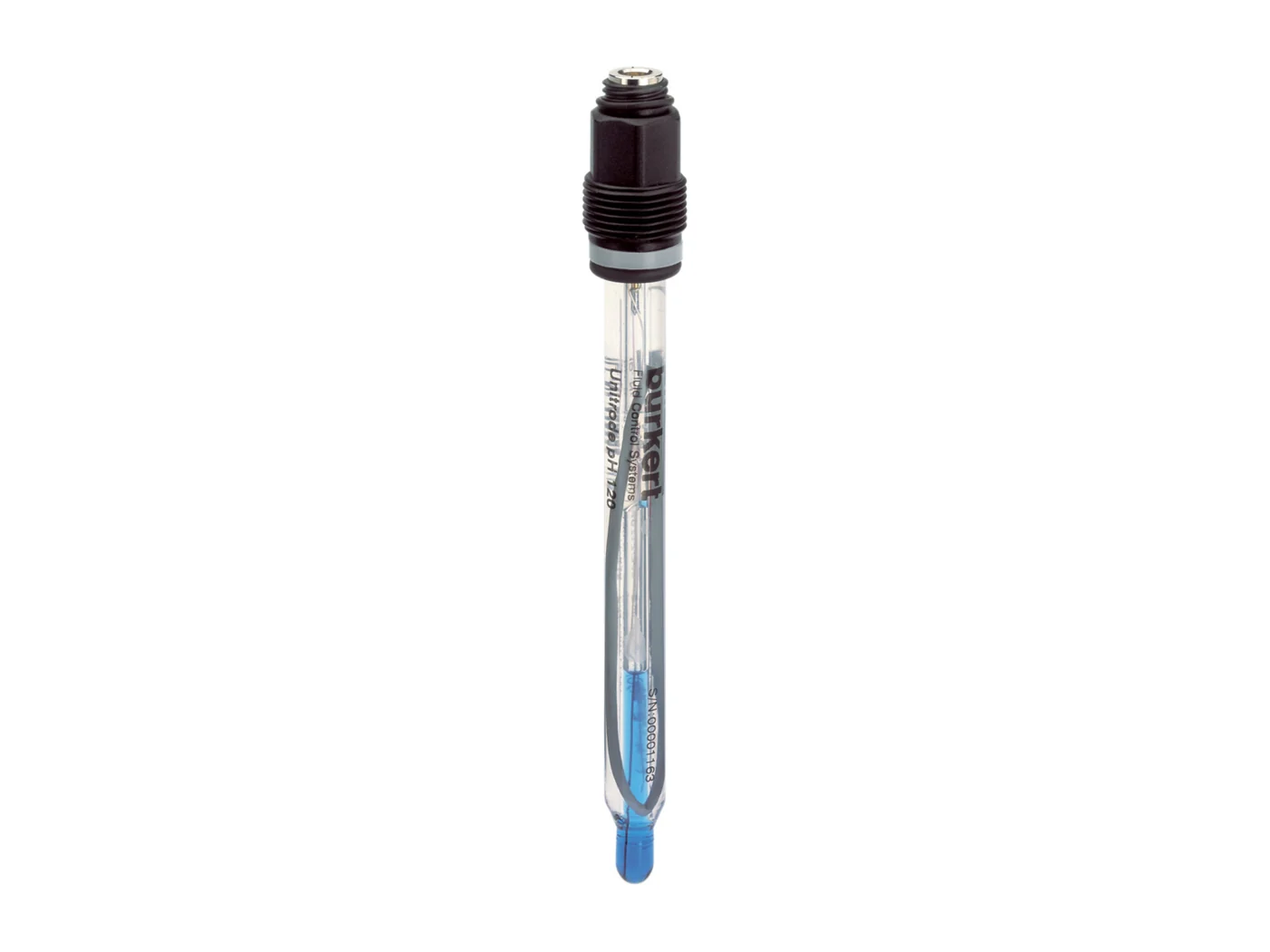
pH & ORP electrodes
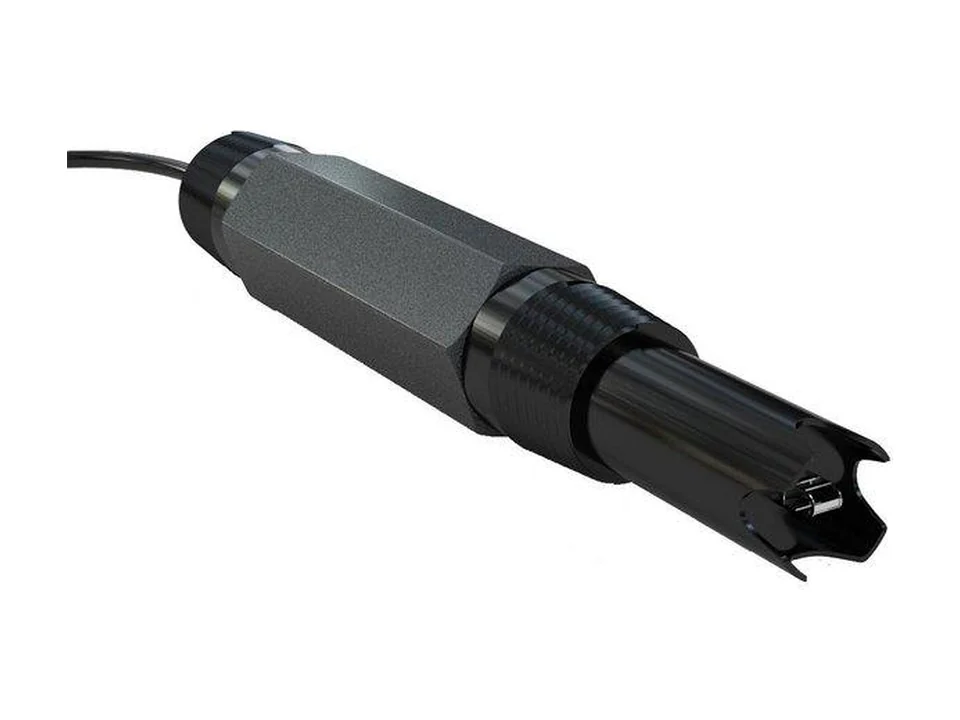
Type 8203 is a family of pH and oxidation-reduction potential (ORP) probes for industrial and hygienic applications. The probes measure pH or ORP in clean or contaminated liquids, including liquids with low conductivity and liquids containing sulphides or proteins. Several models with glass or cast epoxy resin bodies are available.
The probes use a glass membrane or specific electrolytes to generate a potential difference that is proportional to the pH value or redox potential. This signal is passed as an analogue signal to a compatible meter, such as Type 8202, or to a transmitter, such as Type 8619. The probes are installed in Type 8200 holders or Type 8202 meters and must be calibrated with buffer solution.
The pH probes cover 0 to 14 pH, and the ORP probes cover −2000 to +2000 mV. Fluid temperatures from −10 °C to +140 °C and fluid pressures up to 16 bar are permitted, depending on the model, and the probes are used in pipes from DN 15 to DN 200. The process connection is PG 13.5.
Electrical connection is made with an S7/S8 connector or a Variopin 6.0 connector. An integrated Pt100 temperature sensor is available as an option. Materials used in the range include glass, HP ceramics, HP-COATRAMIC, high density polyethylene and cast epoxy resin. CE and FDA are listed, together with the pressure equipment directive 2014/68/EU.
The family includes the PLASTRODE, FLATRODE, LOGOTRODE, UNITRODE PLUS, CERATRODE and FERMTRODE models, and hygienic executions are available. Article numbers such as 418319, 427114, 552041 or 560376 identify individual probes.
Applications named for the probes are drinking water treatment, swimming pools, food and beverage, pharmaceuticals and waste water management. To select a suitable probe, please send the measured variable (pH or ORP), the medium and its contaminants, the fluid temperature and pressure, the pipe size, the preferred connector and whether a Pt100 or a hygienic execution is required, together with the meter or transmitter the probe will be connected to.
418319, 427114, 552041, 560376, 560377, 560378, 560379, 561025, 561027, 561727
Record the sample temperature, expected concentration and how the probe is mounted. Identify the mating transmitter when replacing a sensor.
For an installed instrument, copy the complete ordering code and its suffixes from the nameplate. Identify the part that will remain in service and the part that needs to be replaced. A photograph of the connection face or terminal markings helps resolve differences between versions that share the same housing.
For a new installation, describe what the instrument must measure or control and where the reading will be used. Give the normal operating conditions separately from short peaks. Include units with every numerical value. A drawing with the available space, orientation and access for removal gives the supplier a practical starting point.
Add the quantity for each position and identify any accessories that belong with it. Where a particular drawing, material certificate or calibration record is required, mention it with the line item. Submit the list with the destination country so that the response can cover the requested configuration and delivery.